The short answer
Spätburgunder and Pinot Noir are two names for the same red grape variety. Their wines can be fruity and delicate. But they can also be powerful and clearly shaped by oak.
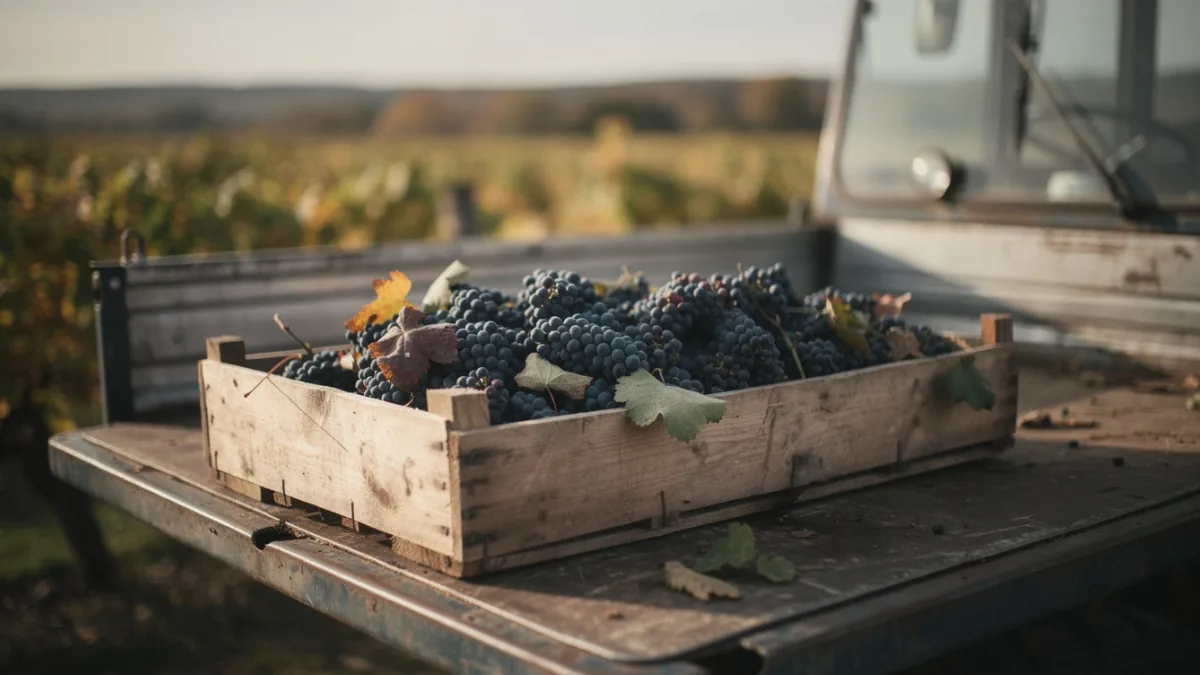
Red fruit is one possible clue
Cherry and strawberry are the most common comparisons for the aroma. With oak aging, spicy impressions join in. This variety doesn't only produce red still wine. Color and tannins also depend on how the wine is made. Tannins are the compounds that make your mouth feel rough and dry.
A pale red wine is therefore not a bad red wine. You can't read quality from the color in the glass. A concentrated impression doesn't require a particularly dark color.
Cherry and strawberry are comparisons, not ingredients. When smelling a wine, your brain reaches for the closest image from memory, and red berries are often close at hand for this variety. Add oak aging, and a spicy impression pushes forward. It doesn't replace the fruit, it layers on top of it. If nothing comes to mind on the first sniff, that's not a failure. Let the wine sit in the glass for a few minutes and smell again.
Color and tannins therefore also depend on the work in the cellar. At the pour, that means: appearance tells you less than you'd expect. A pale wine can show a lot of substance in the mouth. A dark one can taste thin. And because this variety doesn't only produce red still wine, you'll find the same name on bottles that look very different in the glass.
Ordering light or full-bodied
If you prefer less roughness in the mouth, ask for a fruity style with low tannin. The variety name alone won't tell you that. For a hearty dish, on the other hand, a different style might suit better.
Comparing with a more powerful Cabernet Sauvignon helps you name your own preferences. It's not about which wine wins. Ask yourself whether you prefer the more delicate companion or more grip in the mouth. Also note the serving temperature, roughly estimated: too warm, pleasantly cool, or very cold.
In the shop and at the table, it's better to describe the mouthfeel than the variety. As little fuzzy as possible. Or feel free to add more grip. Sentences like these tell the other person more than a variety name that covers both directions. Name the dish too, and the recommendation gets more precise. With a hearty plate, the wine can bring more structure, otherwise it disappears underneath.
Serving temperature deserves its own note. It shifts your impression more than you'd think. Too warm, and the wine feels broad, with the alcohol standing out. Very cold, and the fruit closes up, with the tannins feeling more angular. When comparing, note the state in which the glass tasted best to you.
How to find a Spätburgunder you'll enjoy
Four steps take you from the question of what you actually want to drink to the bottle on the shelf. If you already know your style, jump in further down.
| Step | Specific question or action |
|---|---|
| In conversation | Light and fruity, or powerful and oak-driven? |
| On the label | Pinot Noir is another name, not a higher quality tier. |
| When tasting | How much roughness in the mouth do I enjoy? |
| Your comparison | Note tannin and body separately. |
Pale doesn't mean thin
The most stubborn misconception concerns color. Many people immediately read a pale red wine as a thin drink. But color depth and concentration in the mouth are two different things. Equally common is the assumption that Spätburgunder and Pinot Noir are two varieties with distinct characters. They're two names for the same grape variety. The differences between two bottles come from elsewhere.
The variety name on the label doesn't promise a particular style either. The same variety can come across light and fruity, or powerful and shaped by oak. If you're bringing a bottle and want to be sure, describe the style you want. The three syllables under the winery's name won't help you there.
Comparing two Spätburgunders
Set two bottles side by side that were aged differently: one fruit-forward and one clearly shaped by oak. Use the same glass model for both, otherwise you're comparing the glasses too. Pour small amounts. Smell first, without drinking. Then jot down in two or three words what comes to mind.
Then bring in the Cabernet Sauvignon from the second section. It shows you how much grip you find pleasant. Pay attention to how your tongue feels after swallowing: smooth, slightly rough, or fuzzy. That exact observation you can later put into words at the shop. It helps you more than any score.