The short answer
Single cask means: the whisky in the bottle comes from one individual cask. The term says nothing about alcohol strength. And nothing about flavor either.
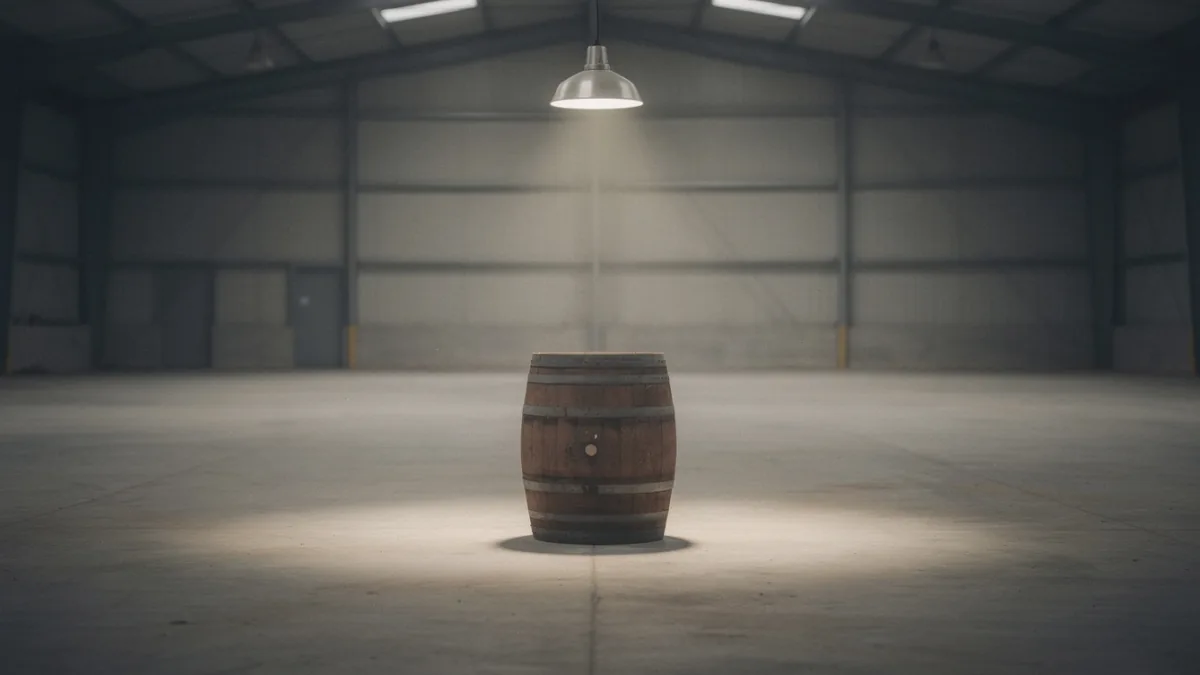
Three statements, three different questions
Three English terms often sit close together on a bottle and mean quite different things. Single Malt Scotch concerns raw material, distillation method, and a single distillery. Single Cask describes an individual cask. Cask Strength concerns the bottling strength. These terms aren't interchangeable.
The appeal of a single cask bottling lies in the fact that nothing has been blended. Usually, a distillery brings together many casks so that a bottling tastes the same year after year. With a single cask, this balancing act doesn't happen. What's in the glass is exactly what this one cask produced.
Every cask develops on its own. Wood is a natural product, and no two casks give off the same characteristics. When a distillery combines many of them, the differences even out. With a single cask, they remain—for better or worse.
This is exactly where the downside lies too. There's no second chance: one cask yields a few hundred bottles, and then it's empty. If you like a particular bottling, you can't buy more of it. All that's left is another cask from the same distillery, and that one will turn out differently.
Single cask bottlings therefore vary more than standard bottles. You might like that, or you might not. There's no proof in the label that this particular cask was better than the usual blend. It was simply different.
Noting down the cask number
If you like a single cask bottling, make a note of the cask number, bottler, and strength. A later cask from the same distillery will turn out differently. These three details will help you find it again—attractive packaging won't.
When buying, first ask if a small sample is available. A limited number of bottles doesn't prove that the bottle suits your taste. A rare bottling that doesn't suit you is still a bottle that doesn't suit you. A sip answers the only question that matters here: Do you like this cask?
Also note the independent bottler, if one was involved. Many single casks don't come from the distillery itself. Merchants buy casks and bottle them under their own name. The same distillery can therefore look very different on the shelf depending on the bottler.
Also keep track of where you bought the bottle. With such small quantities, the retailer is often the only trail leading back to this particular bottling.
The cask number is usually printed small on the label or on an attached sticker. Photograph it before the bottle ends up in the recycling bin. Later on, no one will remember which cask was inside.
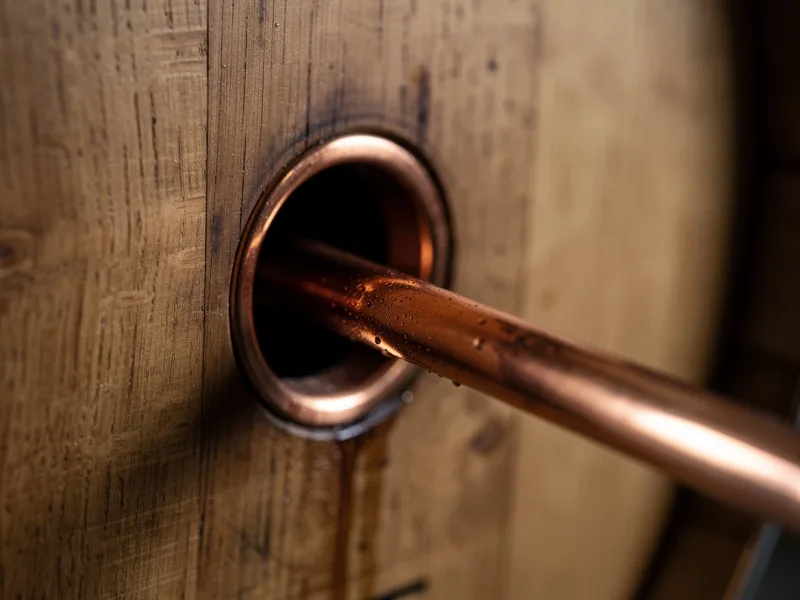
Reading three details on the bottle separately
A bottle can carry all three pieces of information, just one of them, or none at all. None of them says anything about the other two. So a Single Malt doesn't have to come from a single cask, and a Single Cask doesn't have to be bottled at cask strength.
| Detail | Usefulness for your selection |
|---|---|
| Single Cask or cask number | Finding the exact single cask bottling again |
| Alcohol content | Comparing the actual strength |
| Age or cask description | Understanding maturation, without automatically inferring quality from it |