Skip to content
Gustofolio
Knowledge HubProducersMeet & TasteEvents
CaptureCollectionTasteEnjoyShare
Roadmap
Knowledge HubProducersMeet & TasteEvents
CaptureCollectionTasteEnjoyShare
Beta roadmapCreate account
Legal NoticePrivacy
ENSign inCreate account
Drinks EncyclopediaLexiconKnowledge JourneysJourneysTopic WorldsTopicsAll ArticlesArticlesCocktail RecipesCocktailsRecipes with drinksRecipes
Encyclopedia/Whisky

Guide · 2 min read

A home whisky tasting: a sensible approach

Setting up a whisky tasting at home: choosing samples, deciding the order, and comparing aroma, flavor, and the effect of water.

As of: 17. September 2026

In this article
  1. One question is enough for an evening
  2. Matching glasses, numbers instead of names
  3. Nose first, then taste, then note the finish
  4. A few drops of water — in a second glass

The short answer

You need very little for a tasting at home: a few small samples, matching glasses, still water, and a question you want answered. Everything else is just trimmings.
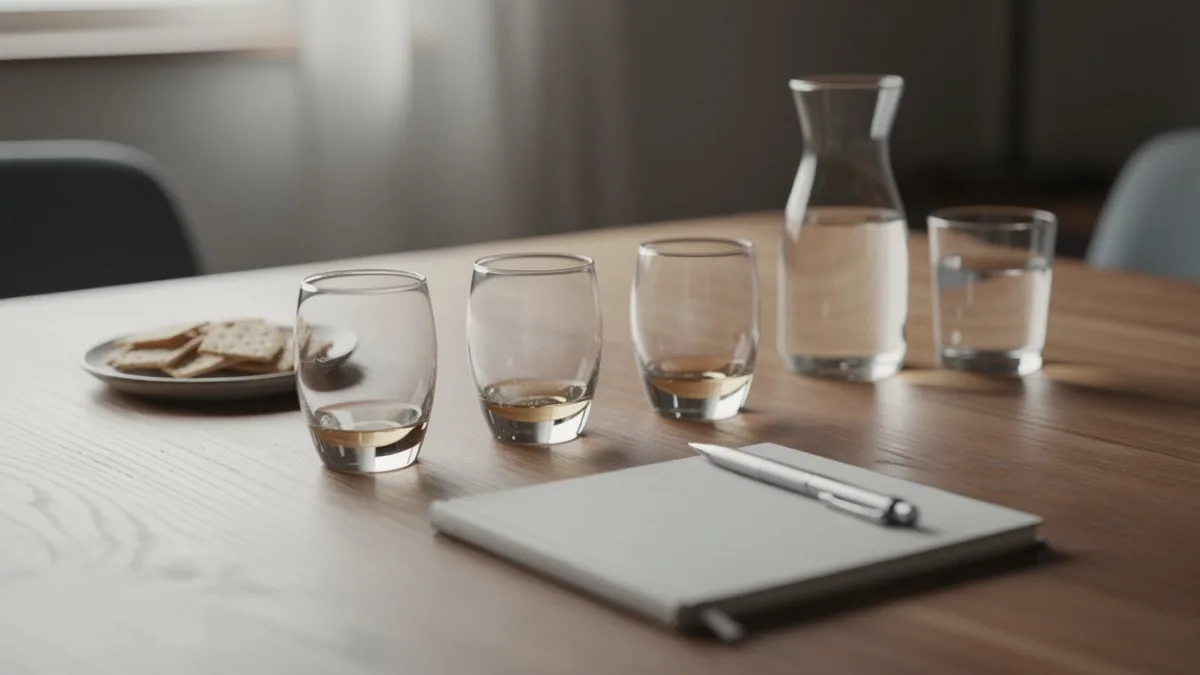
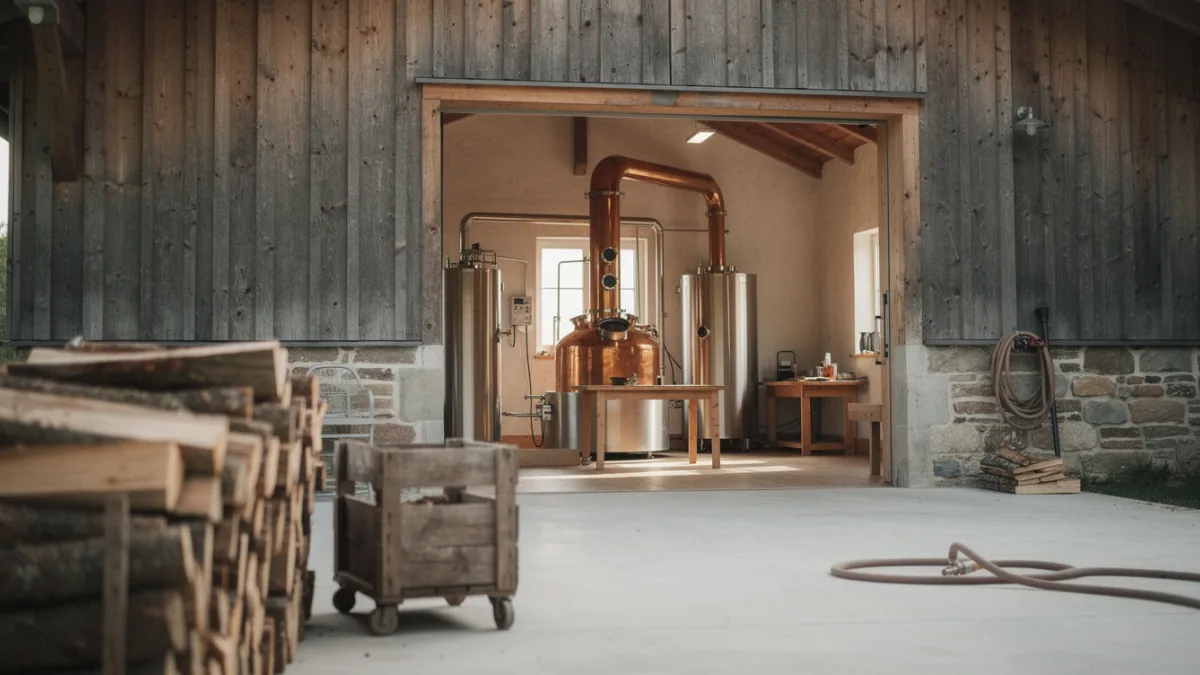
A home whisky tasting: a sensible approach — image for the topic Whisky

One question is enough for an evening

For example: How does the same whisky taste from two different casks? Or: smoky versus unsmoked? Or: malt versus blend? Start with similar strengths. If origin, strength, age, and cask all differ at once, you won't be able to say afterward what caused the difference. Two or three samples are plenty for a first evening.

More than three or four samples isn't a good idea. After that, your nose starts to tire, and the last glasses get an unfair judgment. Better to do two pairs on two evenings than six glasses in one.

Matching glasses, numbers instead of names

Set out identical, odor-free glasses, along with water and something neutral to eat, such as bread or unsalted nuts. Avoid perfume and strongly spiced food beforehand. Start with the lighter samples; smoke and heavy cask spice come later. This is a practical order, not a ranking.

Number the glasses instead of labeling them. Anyone who knows which bottle was more expensive will reliably taste it as better. That's not a character flaw — it's normal perception. Tasting blind costs nothing and makes the evening more honest.
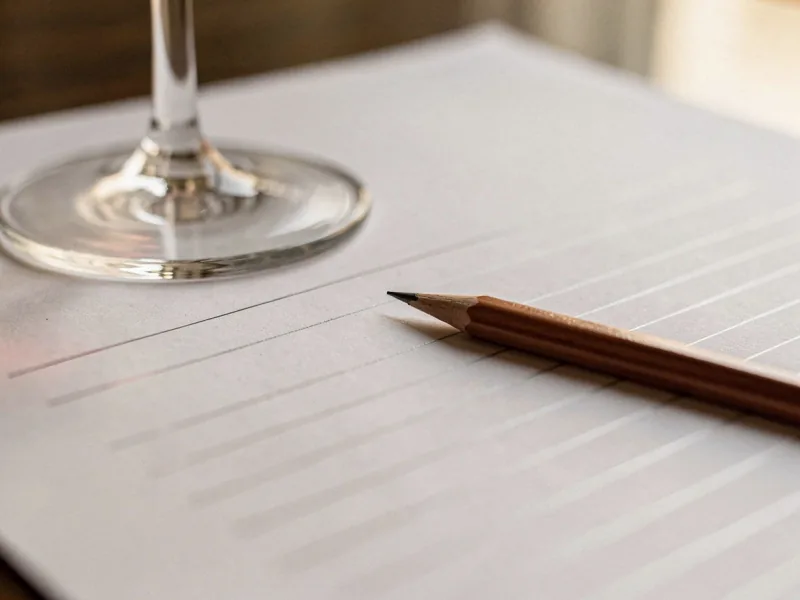
Whisky: Matching glasses, numbers instead of names
  • Drinking whisky with water: how much makes sense?

Nose first, then taste, then note the finish

Write down three things in order: how it smells, how a small sip tastes, and what lingers afterward in the mouth. Everyday words are enough — apple, bread crust, pepper, campfire. Note whether you like it, too. Read the producer's description only afterward, or you'll simply find what it tells you to find.

And write it down before you talk. As soon as someone says "vanilla," everyone else finds it too. In a group, the first spoken impression is the most influential. So note it first, compare, then talk.

A few drops of water — in a second glass

If you want to add water, use a second small glass and just a few drops. That way you have a real comparison, not just an altered glass. Note whether the fruit, smoke, or the bite of the alcohol comes across differently. Also plan pauses with water, and set out something non-alcoholic alongside. No one has to finish their glass, and an evening like this isn't about being right.
  • Which whisky glass? Nosing glass versus tumbler compared

Continue from here

You might also like this.

  • The Right Whisky Glass: Nosing Copita vs. Tumbler

    Nosing glass or tumbler? Compare whisky glasses by use: nosing neat, drinking with ice, or serving cocktails.

    Read more ↗
  • Drinking whisky with water: How much makes sense?

    A simple method for finding your own taste—without a rigid dilution rule.

    Read more ↗
  • Whisky for Beginners: Discovering Your Own Taste

    Understanding whisky, choosing well, and comparing at home: with a flavor guide, tasting sheet, and practical tips on water and glassware.

    Read more ↗
  • Wine tasting at home: how to plan the evening

    Planning a wine tasting or a beer and whisky tasting at home: how many samples, which order, which amounts and what belongs on the table.

    Read more ↗
  • Rating sheet: how to rate wine, beer and whisky

    A simple rating sheet for wine, beer and whisky: which fields matter, how to describe aromas and how to compare your ratings later on.

    Read more ↗
  • Wine, whisky and gin tastings near you: how to find them

    Where to find wine, whisky, gin and beer tastings near you: at wineries, breweries and distilleries, at fairs and on Meet & Taste.

    Read more ↗

More in the encyclopedia

The World of Whisky

  • Whisky with food: cheese, chocolate, and savory dishesWhisky

    Whisky with food: cheese, chocolate, and savory dishes

    Pairing whisky with cheese, chocolate, and savory dishes: balancing intensity, sweetness, and roasted notes with small samples.

  • German whisky: what to look for when choosingWhisky

    German whisky: what to look for when choosing

    Choosing German whisky: check raw materials, distillation, and cask details. Origin gives orientation, but no uniform flavor.

  • What Is Whisky? Grain, Fermentation, Distillation, and CaskWhisky

    What Is Whisky? Grain, Fermentation, Distillation, and Cask

    Understanding the basic production steps and telling regional rules apart.

All articles on Whisky22
  • Drinking whisky with water: How much makes sense?
  • German whisky: what to look for when choosing
  • Irish Whiskey: Styles, Production and Selection
  • Japanese whisky: reading origin and style correctly
  • Scotch vs. Bourbon: the key differences
  • Scottish Whisky Regions: Orientation Without a Flavor Guarantee
  • Single cask: what this whisky bottling means
  • Storing Whisky: How to Keep Opened Bottles
  • The Right Whisky Glass: Nosing Copita vs. Tumbler
  • What does cask strength mean for whisky?
  • What does Single Malt mean? One distillery, not one cask
  • What does the age on a whisky bottle mean?
  • What Does the Cask Do to Whisky?
  • What is a whisky finish? A second cask, not added wine
  • What is Blended Whisky? Why blending isn't a flaw
  • What is Bourbon? Not every American whiskey is called that
  • What is Rye Whiskey? Reading rye and origin correctly
  • What Is Whisky? Grain, Fermentation, Distillation, and Cask
  • Whisky for Beginners: Discovering Your Own Taste
  • Whisky or Whiskey: What's the Difference?
  • Whisky with food: cheese, chocolate, and savory dishes
  • Why Does Whisky Taste Smoky? Peat, Simply Explained

Find that one bottle again.

With Gustofolio, you keep track of your drinks and your taste.

Download on the App StoreGet it on Google Play
Get to know Gustofolio ↗The best tasting app: keep track of your tastings ↗Tastings near you ↗

Images generated with AI · Text AI-assisted, editorially reviewed

Gustofolio
Drinks EncyclopediaCocktail RecipesRecipesProducersTastings near youEventsWine App GuideBeer App GuideWhisky App GuideTasting App GuideBeta RoadmapPrivacy PolicyTerms of UseLegal NoticeContact

May we measure which areas get used?

With Google Analytics and a cookie, without the contents of your collection. You can change this anytime. Privacy policy