The short answer
Whisky keeps best stored upright, tightly sealed and shielded from light and strong heat. Unlike in the wood cask, it doesn't continue to mature in the bottle. Still, its aroma can change once opened.
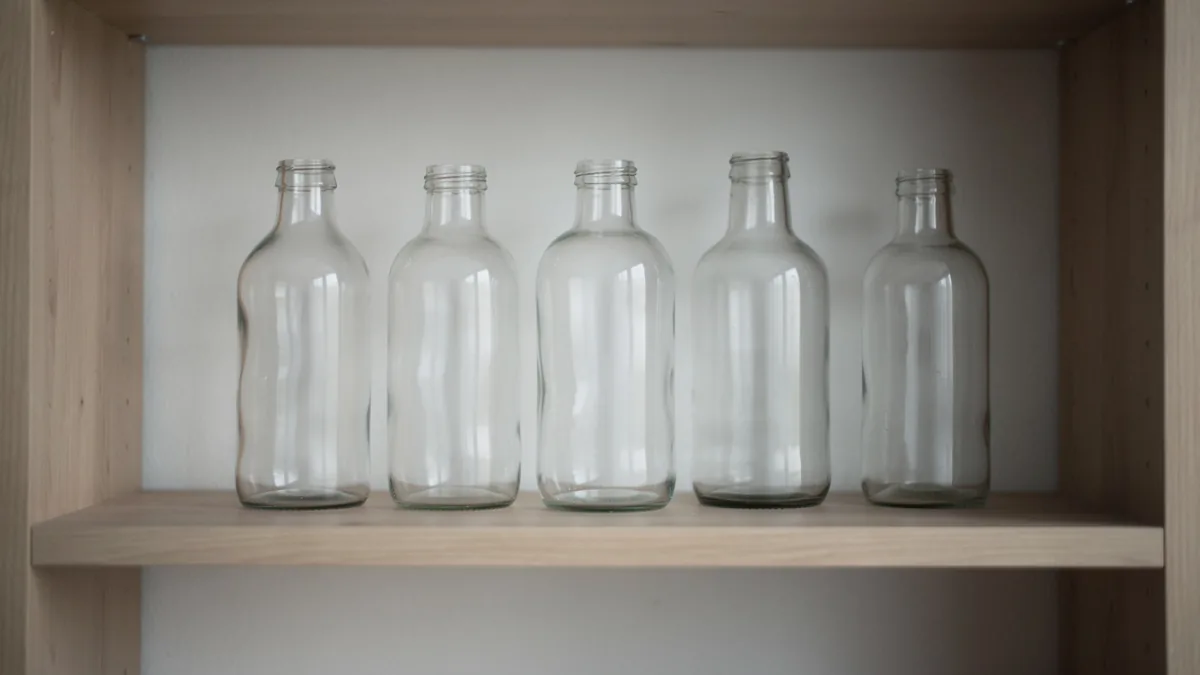
Why Upright and Dark?
Direct sunlight and sharp temperature swings harm whisky. A dark cabinet at a steady room temperature is enough in most homes. That rules out the shelf next to the stove and the sunny windowsill. Standing the bottle upright keeps the high-proof liquid away from the cork. Check now and then that the closure still sits cleanly. This is especially worth checking on bottles that have stood unused for a long time.
There's a solid reason for storing bottles upright. Whisky above 40 percent alcohol attacks the cork if it lies against it for long. The closure becomes brittle, crumbles when opened, and no longer seals properly. With wine it's the opposite, since lying down keeps the cork moist. So the rule from the wine cellar doesn't carry over here. Anyone who lays their whisky bottles in a wine rack is doing them harm with the best of intentions.
What Happens to an Open Bottle
How quickly an opened whisky changes depends on the fill level, the closure, and where it's stored. A nearly empty bottle has a lot of air above the liquid, and that air does the work. So a fixed shelf life for all bottlings would only exist on paper. Write down the date you opened it. Then keep an eye on the aroma and taste. Aromas that have faded won't return no matter how long you wait.
As a rough guide: as long as the bottle is at least half full, little happens over several months. Once it's down to the last fifth, changes become noticeable within a few months. Usually the whisky loses aroma and tastes flatter. Some bottlings even gain complexity at first. But it won't become more balanced after that. So it's better to drink the rest than save it for a special occasion.
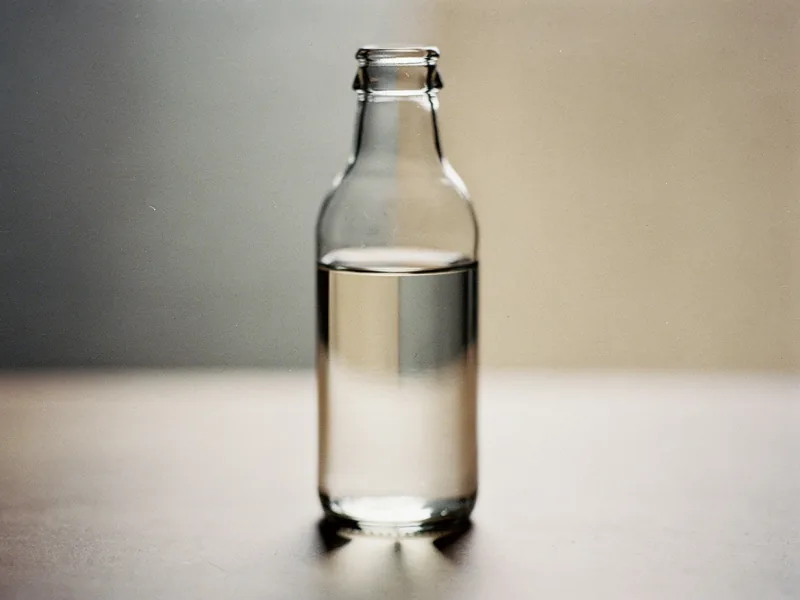
Is Decanting Worth It?
A small remainder meant to last a long time is the classic case for decanting. A smaller, clean, tightly sealing glass bottle reduces the air space above the whisky. Label it clearly with contents, strength and the date you decanted it. An unsuitable container or a poorly fitting lid cancels out the benefit again. Remnants that will be finished soon anyway don't need the extra effort. Smell the new bottle before use. A container that smells of jam or dish soap will pass that on to the whisky.
Small amber glass bottles with a tight seal work well and cost little. Fill them as close to the brim as possible, since the whole point is to displace air. A label with name, strength and date prevents a mystery in the cabinet later. Otherwise, after a while you won't recognize what's inside that little bottle anymore.
No Extra Cask Aging in the Cabinet
A twelve-year-old whisky doesn't get older in your home. After five years in the cabinet, it's not a seventeen-year-old whisky. The age statement counts only the time spent in the cask, and that's where maturation happens. In a sealed glass bottle there's no wood, so there's no such change either. A bottle that's darkened or has been sealed for a long time is therefore neither more valuable nor better for it. For collectors, condition and provenance count separately. Storage, however, matters a great deal. A bottle that's stood in the sun for years has suffered. The age statement on the label doesn't change that.