The short answer
A cask finish is a second maturation phase in a different cask. No wine is poured into the Scotch. The previously used cask must be empty before the whisky goes in.
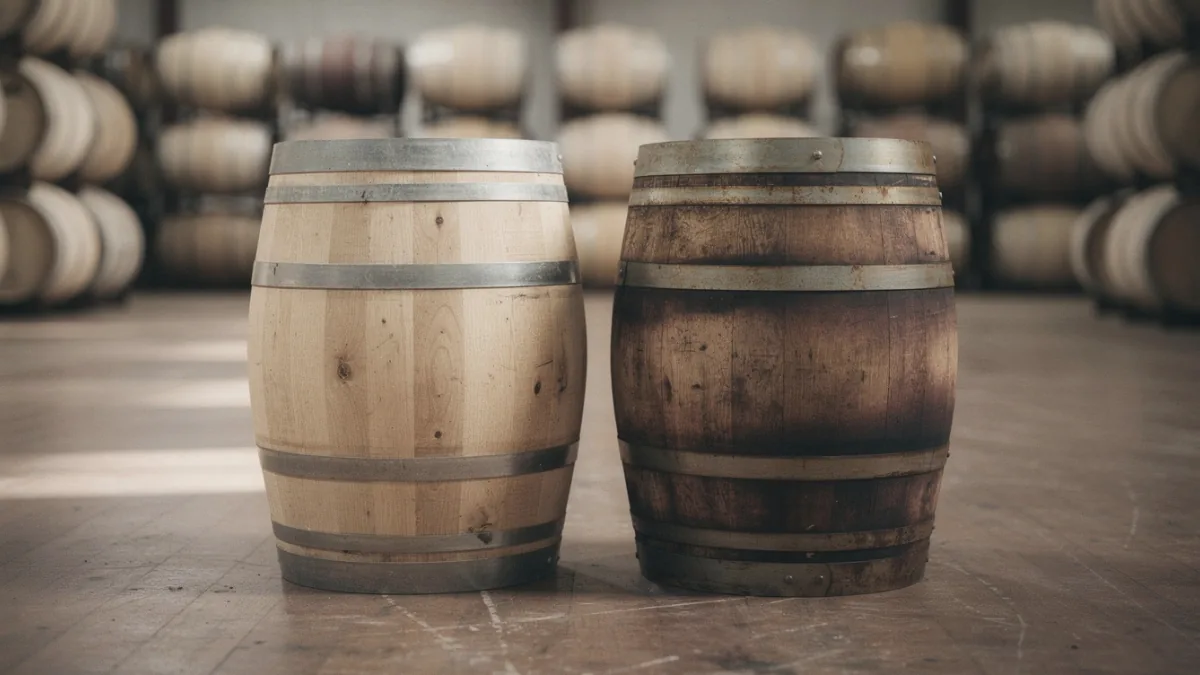
Two meanings of the same word
Finish has two meanings. In a tasting note, the word refers to the aftertaste, meaning what lingers after you swallow. On a label like Port Cask Finish, it means something else: an additional maturation phase in a second cask.
Which meaning is intended is usually clear from where the word appears. If it shows up in a tasting note after nose and palate, it's about the impression after swallowing. If it's on the label right after a cask type, it means the second maturation phase. Finding both in the same text is normal, not a contradiction.
The distinction matters because the two things have nothing to do with each other. A whisky with a long finish never had to sit in a second cask. And a bottling labeled Port Cask Finish can still fade quickly in the glass. Mixing these up means reading a promise into a cask statement that isn't actually there.
An additional detail, not a quality guarantee
You might enjoy a finish. That doesn't make it better than a bottling without one. Ask what impression it leaves in the specific bottle. No one guarantees that a whisky will taste like the drink that was previously in the cask.
To get a feel for the effect, it's best to compare a standard bottling with its finished version. Pay attention to proof and age so you don't hastily attribute differences to the second cask. Also note whether you genuinely prefer the change. Unusual and enjoyable are two different things.
If the bottle only states the cask type, you still don't know how long the whisky rested in it. Yet that's exactly what determines the difference between a subtle undertone and a strongly shifted flavor profile. So the label alone tells you little about how noticeable the finishing actually is.
Small amounts are enough for a home comparison. Pour both whiskies into identical glasses, wait a moment, and smell them alternately before tasting. Drink water in between. If you add water to the whisky, add the same amount to both glasses. Otherwise you end up comparing two different proofs, not two casks.
Telling cask finish and aftertaste apart
These three phrases are most commonly confused.
| You read … | It means … |
|---|---|
| Sherry finish on the label | An additional maturation phase in a correspondingly seasoned cask |
| Long finish in a tasting note | The lingering aftertaste |
| An unusual cask name | A production detail, not a guaranteed flavor |
How a finish appears on the label
Pay attention to where the cask statement is placed. On the front, next to the name, it usually refers to the finishing process. In the body text on the back, the same term can refer to the aftertaste. When in doubt, read the whole sentence, not just the keyword. At a specialty retailer, you can also ask whether the same range is available without a finish.
A finish isn't added wine
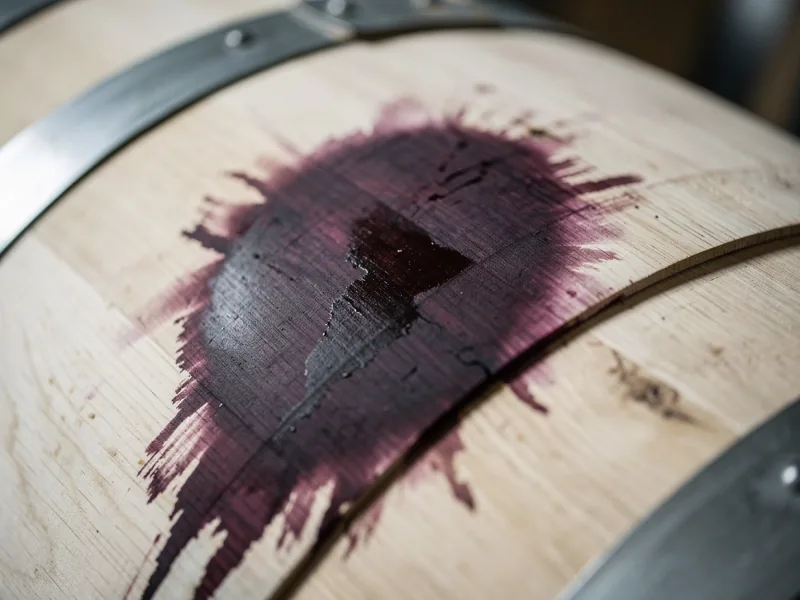
The most stubborn misunderstanding: that wine was added to the whisky. That's not the case with Scotch. The cask must be empty before it's filled. What carries over comes from the wood, not from an addition.
The second: that a Port Cask Finish tastes like port. The previous contents shape the wood. It doesn't recreate the original drink. Expect a shift in character instead.
The third: that a cask statement is a seal of quality. It describes a production step. Whether you like the result better than the bottling without that extra step is something you decide at the glass, and nowhere else.