The short answer
Irish Whiskey comes from the island of Ireland and spans several styles. It isn't necessarily triple-distilled, nor is it always mild. Raw materials, distillation methods and cask maturation shape its character.
An origin with several possibilities
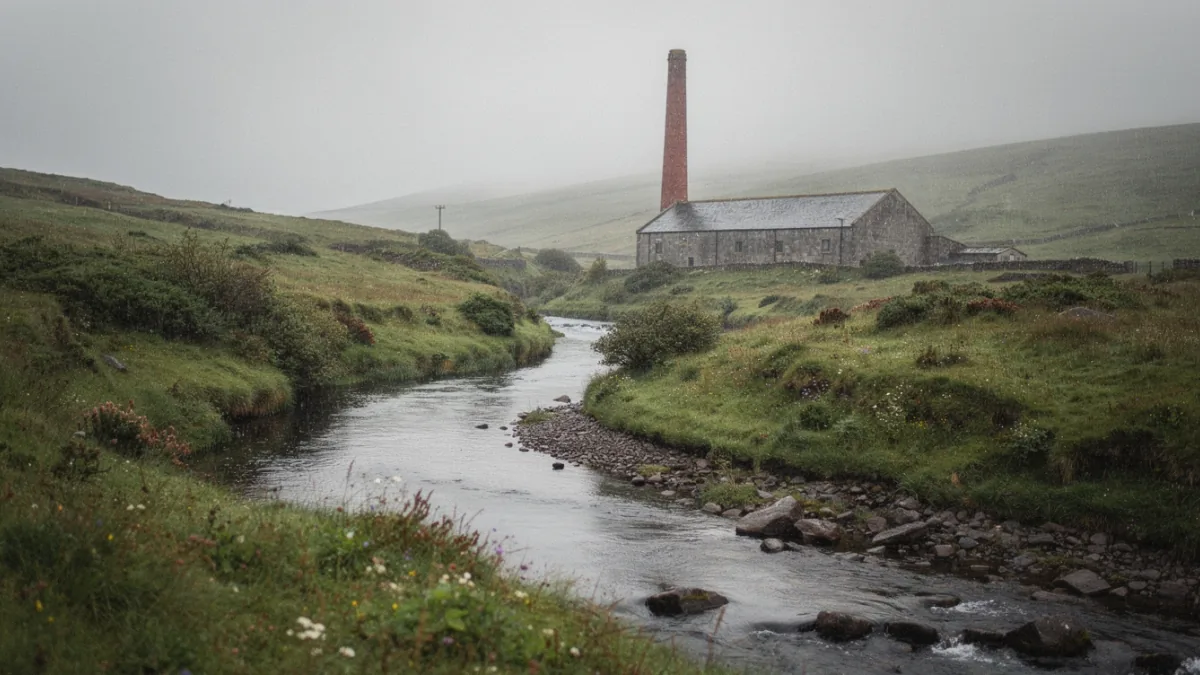
This protected origin includes both Ireland and Northern Ireland. The whiskey matures for at least three years in wooden casks. Within the category you'll find Malt, Grain, Pot Still and Blends, among others. The spelling with an 'e' is customary, though a single letter doesn't prove origin. Grain whiskey is made from grains other than pure malted barley. Blend simply means a mixture.
The fact that Ireland and Northern Ireland together form a single origin is a distinctive feature. The category follows the island rather than the national border. On the shelf, this designation therefore tells you little. It tells you where the work was done. What's in the bottle depends on stylistic differences, and those cut across the map.
Single Malt, Pot Still or Blend?
Single Malt is made from malted barley and comes from a single distillery. Malted means the grain was allowed to germinate and was then dried. Pot Still Whiskey uses both malted and unmalted barley according to current regulations. Blends combine different types of whiskey. These three terms describe production method and composition — not a hierarchy from cheap to premium.
Pot Still is the Irish specialty with no equivalent elsewhere. The mix of malted and unmalted barley gives these whiskeys a denser, often spicier mouthfeel. Many people describe it as creamy. If you want to know what defines Irish whiskey, this is the most characteristic entry point. A Pot Still also works well as a counterpart to a blend.
Why 'mild' doesn't say enough
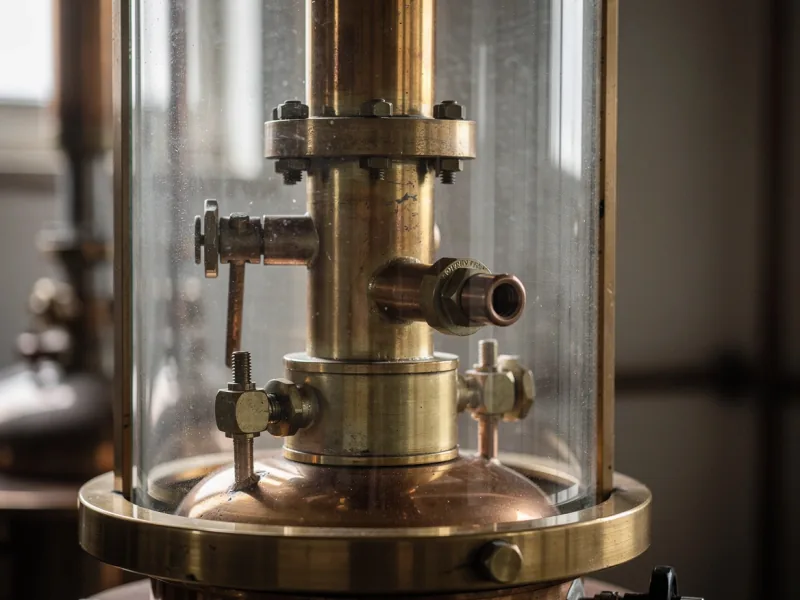
Many newcomers look for something not too smoky and pleasantly fruity. But Irish whiskey can just as easily be spicy, robust, cask-forward or smoky. Triple distillation is common, though not mandatory for every bottling. So ask about smoke, alcohol strength and cask character in the shop. Asking for the most 'Irish' flavor possible won't get you far. It also helps to describe what you don't like — a salesperson can work with that far better than with an origin statement.
In practice, 'mild' usually means two things at once: little smoke and little bite. Both can be targeted separately. Against smoke, ask about unpeated whiskey — barley that wasn't dried over peat fire. For alcohol bite, ask about proof. Lump both wishes together and you'll always end up with the same dull recommendation.
Choosing for sipping neat or for cocktails
For your first comparison, it's best to take small samples of a blend and a Pot Still whiskey with similar strength. That way you'll notice what the composition actually does. In an Irish Coffee, the whiskey has to hold its own alongside coffee, sugar and cream. The Tipperary puts it next to vermouth and herbal liqueur. Choose your bottle based on what you'll use it for. Taste before buying whenever you get the chance. Small samples are widely available as individual miniatures. That way a wrong pick costs you little, and you still learn something about your own taste.