The short answer
Cask strength means: the whisky wasn't diluted to a set drinking strength before bottling. You still have to check the label to find out exactly how much alcohol is actually in the bottle.
A characteristic, not a ranking
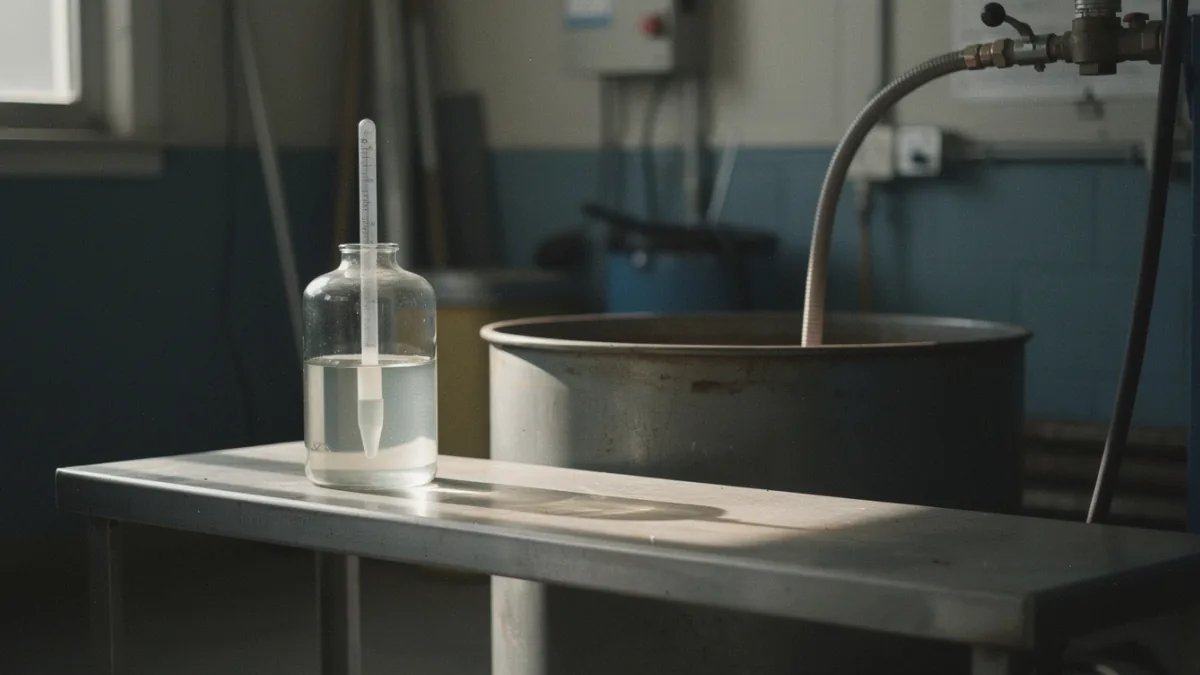
Cask Strength is the English term for undiluted proof straight from the cask. Most whiskies get water added before bottling to reach a defined drinking strength. That doesn't happen with a cask strength bottling. How strong it ends up depends, among other things, on how the whisky developed in the cask. There's no universally fixed percentage for this.
So behind the term is essentially a step being skipped. What was in the cask goes into the bottle. Because every cask develops differently, the percentage varies from bottling to bottling. You can't derive a number from the term alone.
This says nothing about quality. Cask strength describes a process, not a flavor. Two bottles with the same stated percentage can taste completely different. A lower proof isn't a watered-down version of the same thing either. Reading the number as a ranking means, in the end, sorting by alcohol content rather than by what actually happens in the glass.
Compare carefully
Start with a very small sample and add water gradually as needed. Note your impression before and after adding water. If alcohol is mainly what you notice, pushing through won't get you anywhere.
It's best to judge price and style independently of the percentage. A lower-proof whisky might appeal to you more. For a later repeat purchase, the specific batch matters, since cask strength varies from bottling to bottling. A photo of the proof statement will prevent mix-ups.
Add water drop by drop rather than in gulps. A few drops, wait a moment, smell, then taste. Once diluted, you can't get back to the state before. So note your first impression beforehand. Some whiskies open up noticeably, others lose definition. Both tell you something about the bottle.
Keep the tasting round small. At high proof, your nose fatigues quickly, and the fourth sample suffers regardless. Two to three samples with breaks in between will tell you more than a long lineup. Still water helps between glasses. And let some time pass before writing down a note.
How to prepare for a comparison
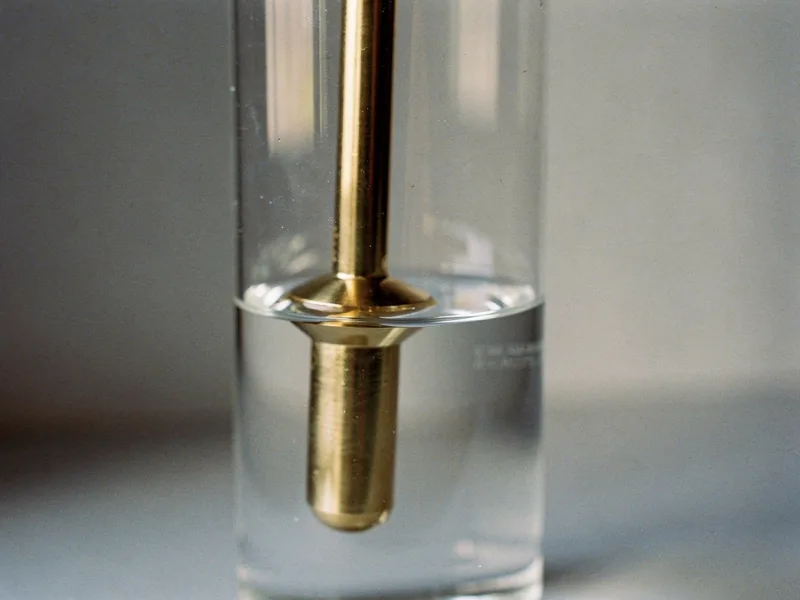
Three preparations before the first sip will save you from mistakes you can't fix afterward.
If you compare often, set yourself a fixed routine: same amount, same glass, same order of steps. Only then does a difference in impression tell you something about the bottle rather than about your setup. This also keeps your notes comparable months later.
| Before tasting | Why it helps |
|---|---|
| Read the ABV of both samples | Different proof can strongly affect the impression. |
| Leave a small initial sample untouched | The effect of the water becomes traceable. |
| Add water gradually | There's no fixed number of drops that suits every bottle. |
How to recognize cask strength
The mention of cask strength usually appears as a term on the label, with the percentage stated separately. Look for both, not just one. The term alone won't tell you whether you're looking at a moderate or a very high proof. This is exactly where the range can be wide.
Also check for batch or individual cask details. They're your only anchor if you want to track down the bottle again later. Photograph the front and back before it disappears from the shelf. Six months later, no one remembers the number on the label.
Cask strength is no guarantee of quality
The most widespread misconception: higher proof equals higher quality. The number simply states how much alcohol is in the glass, nothing more. A whisky can be strong and boring. A much milder one can keep you engaged all evening. Form your judgment based on taste. And the price, incidentally, doesn't necessarily follow that logic either.
Second: that water is an admission of defeat. It's a tool. Diluting changes the sample and, in doing so, reveals something about it. Third: that cask strength means the same number for the same brand every time. That's not true either, since every bottling brings its own strength. The label remains the source.