The short answer
Grauburgunder is also called Pinot Gris or Pinot Grigio. All three names refer to the same grape variety. But there's no single winemaking style behind it. The wines range from light to full-bodied.
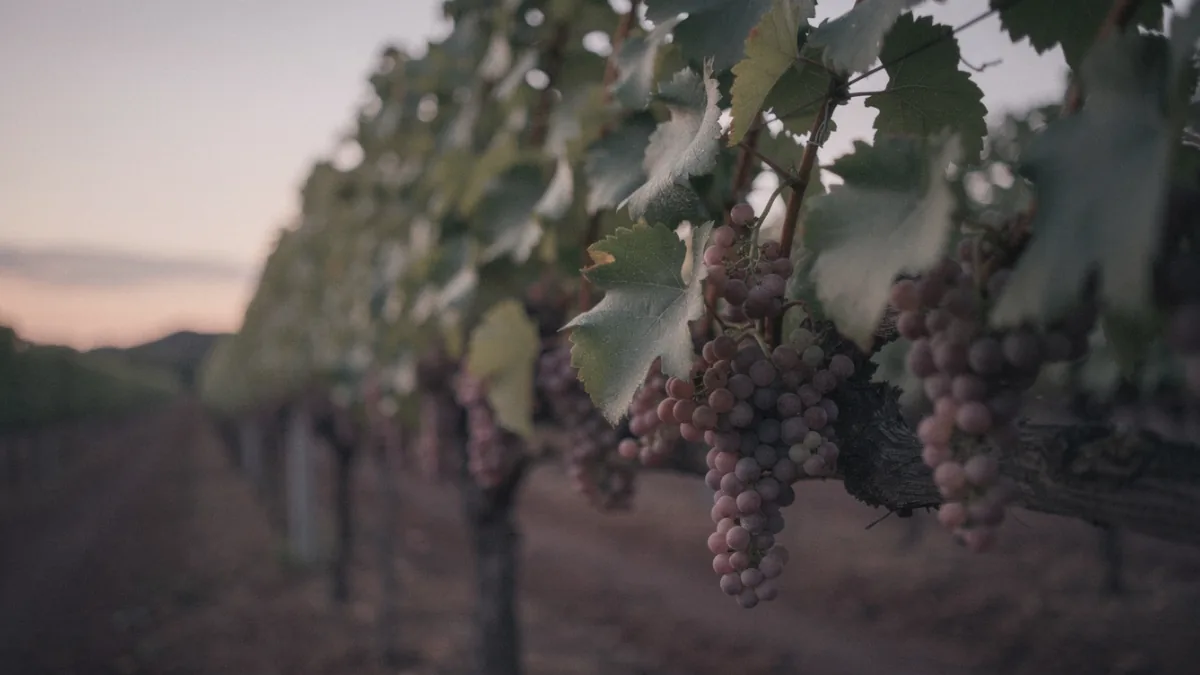
Pear, nut, and various winemaking styles
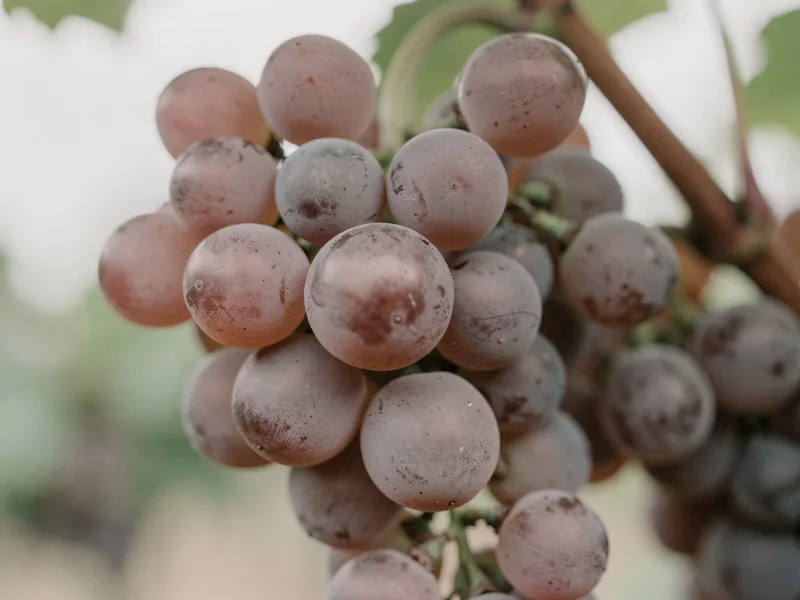
The berries of this variety have a strikingly gray to reddish skin. Even so, the result is usually a white wine. Many compare the aroma to pear and nut. Depending on the winemaking approach, quite different impressions join in. The wine matures either in a tank or in wood.
Ruländer is another name for the same variety. Many associate it with fuller, sweeter wines. Still, it's better to rely on the description of the individual bottle. There's no fixed hierarchy among the names.
The skin color is a bit misleading. Gray to reddish berries might make you think of a rosé. But what ends up in the glass is usually a white wine. The reason is simple: berry color and wine color are two different things. For shopping purposes, that means the variety alone tells you nothing about the color.
Tank and wood are two ways of handling the same grape. The wines taste noticeably different afterward. If the back label or the menu mentions aging in wood—that is, maturation in an oak barrel—expect more richness. Pear and nut no longer define the whole picture on their own. If there's no such mention, a leaner, more fruit-forward wine is more likely.
It's much the same with the three names. Producers do choose them deliberately at times, so they can hint at a direction. But they're no guarantee. More reliable is what's said about the specific bottle: the aging method, the alcohol content, the text on the back label, or advice from the shop.
How to avoid a mismatched expectation
If you're looking for a light wine, say so explicitly. If instead you want a bold partner for a creamy dish, ask about more richness and about oak aging. Both exist within this single grape variety.
A useful exercise for your next restaurant visit: notice whether the wine complements the dish or overpowers it. Afterward, jot down goes well with the sauce or too heavy for the dish. That way you're describing the pairing. You don't even need to decide whether Grauburgunder as a variety is good or bad.
Words that describe your expectation work best. So say that you're looking for something light and fresh for a summer evening. Or something fuller to go with something pan-fried in a cream sauce. That gives someone behind the counter something to work with. The variety name alone leaves too much open, since either direction can hide behind all three names.
Notes like these are worth keeping, because a pattern emerges over time. After five or six bottles, you'll see whether you tend toward the leaner or the bolder styles. You'll also see what food that paired well with. Write down what was on the label too. A vague feeling turns into something concrete you can actually use in the shop.
How to find a Pinot Gris you'll actually enjoy
Four steps take you from a conversation in the shop to a pointed question for the retailer. Each answer makes the next decision easier.
| Step | Specific question or action |
|---|---|
| In conversation | Light and fresh, or rich and full-bodied? |
| On the label | Pinot Grigio and Pinot Gris aren't a reliable way to distinguish body. |
| When tasting | Does the fullness also work with the meal I have planned? |
| Your comparison | Ask the retailer about the actual style rather than just the grape name. |
Three names, one grape — and what that doesn't mean
This is the most persistent assumption: that Pinot Grigio is always light and Pinot Gris is always full-bodied. Both names refer to the same grape variety. Both styles appear under both names. Anyone relying on the name has a good chance of ending up with the opposite of what they wanted.
The second misconception concerns Ruländer. The name is often associated with richer, sweeter wines. It isn't a quality level, nor a guarantee. Here too, what matters is what's said about the individual bottle. And third: grey to reddish berries don't turn the wine into a rosé.
Tasting Pinot Gris against Pinot Blanc
Take two bottles of the same variety described as differently as possible: a lean one from stainless steel, one aged in oak. Serve both at the same cool temperature and in the same glass. Leave them side by side and taste back and forth several times. Placed directly next to each other, the difference stands out far more clearly than it would on two separate evenings.
Put a suitable dish on the table alongside, ideally something creamy. That way you're testing two things at once: which wine you prefer, and which one works with the food. Often it isn't the same wine. Afterwards, jot down in one sentence what you noticed. And keep the labels.