The short answer
Müller-Thurgau is a white grape variety. It's also called Rivaner. Its parent varieties are Riesling and Madeleine Royale. So the name Rivaner is a bit misleading when it comes to parentage.
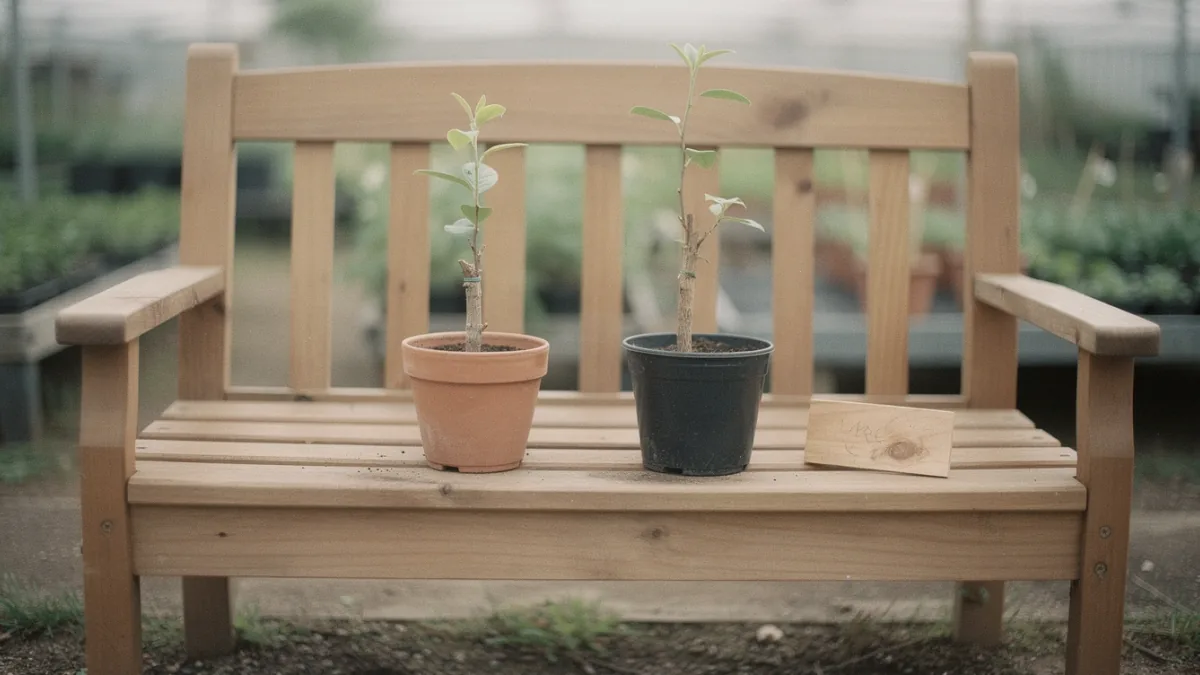
A crossing is not a blend
The variety was created through vine breeding. Mixing two finished wines is something entirely different. Silvaner was once thought to be a parent variety. That has not been confirmed.
The wines are considered mild, delicately fruity, and sometimes slightly musky. That doesn't mean every bottle is sweet. Always check the taste indication and the description of how the wine was made.
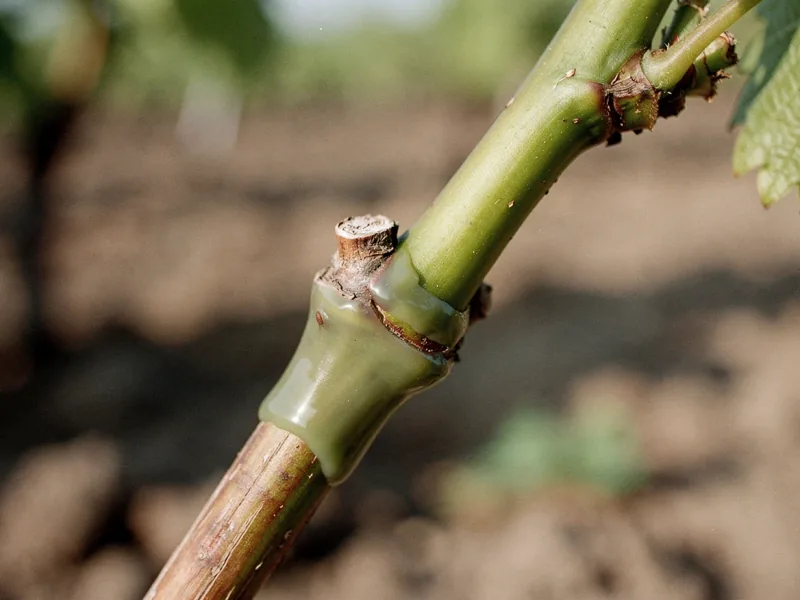
A crossing begins in the vineyard. The pollen of one variety fertilizes the flower of another. This produces a seed, and from that seed grows a new vine with its own characteristics. It keeps these traits. A blend, on the other hand, is a decision made with the finished wine. It can turn out differently in the next vintage. So Müller-Thurgau is its own variety, not a recipe.
The name Rivaner sounds like a combination of Riesling and Silvaner. That's exactly where the misconception starts. The parent varieties are actually Riesling and Madeleine Royale. So the second part of the name is misleading. It doesn't change anything about the taste in the glass. But it does explain why the Silvaner story persists for so long.
Mild and delicately fruity describe an impression, not a sugar level. A wine with subdued acidity can seem softer to many people, and therefore sweeter than it was actually made. The label is more precise. That's where the taste indication is stated. If it says dry, the wine is dry, even if it feels rounder than an acidity-driven white wine.
Uncomplicated can be a strength
If you're looking for a subtle wine for a simple meal, a fresh Rivaner is a good starting point. The name needs neither defense nor overhype. Judge the bottle actually in front of you.
A helpful question at the shop is: I'm looking for something light, without strong acidity and without noticeable sweetness. Does this wine fit that? That turns a familiar variety name into a concrete choice. Afterward, note down the vintage and producer too, not just the word Müller-Thurgau.
A subtle wine has a practical advantage. It doesn't talk over the food. For evenings when nobody wants to discuss the wine, that's exactly right. Serve it well chilled, but not ice-cold. At too low a temperature, the delicate fruit disappears, and that's often the most enjoyable part of this variety.
Taking notes pays off, because a variety name alone reveals little. Two bottles with the same label can turn out very differently. Producer, vintage, and winemaking make the difference. So write down what was on the label, plus half a sentence about what you liked or missed. Next time you shop, you'll have more to go on than just a name.
How to find a Müller-Thurgau you'll enjoy
Four steps take you from initial curiosity to a specific bottle. Each step builds on the previous one being clarified.
If you're short on time at the shop, the third step is usually enough. What matters is being able to state your goal in your own words. A variety name alone won't do that. Everything else becomes clear from the label or in conversation, and neither takes more than two minutes.
| Step | Specific question or action |
|---|---|
| In conversation | How fresh and how sweet does the wine seem? |
| On the label | Rivaner refers to the same grape variety; the crossing is not a blend. |
| While tasting | Am I looking for an easygoing companion? |
| Your comparison | State the desired sweetness explicitly when ordering. |
What's wrongly claimed about Müller-Thurgau
The first misconception lies in the name. Rivaner and Müller-Thurgau refer to the same grape variety. They are not two related varieties. So both names can appear on a label without anything changing in the glass. Anyone who sees the two names side by side easily starts looking for a difference that doesn't actually exist.
The second concerns sweetness. The wines are often described as mild, so many people generally assume they're sweet. The taste indication on the label says more about this than any variety description. That's exactly what you should look at.
The third misconception: that a bred variety is somehow "manufactured" and therefore worth less than an old one. This vine, too, grows in the vineyard, gets harvested, and is turned into wine in the cellar. That's the work that determines how good the wine turns out. The origin of the name decides nothing at all.
How to make sense of the variety for yourself
The fastest way to learn is with two bottles of the same variety side by side. They should differ in taste indication: one dry and one off-dry. Open both on the same evening and pour small amounts into identical glasses. This way you'll notice which part of the impression comes from the sugar and which from the variety's naturally mild character.
Pay less attention to terms and more to your own reaction. Does the wine feel soft, or does it make your mouth pucker? Does the fruit linger after the sip, or is it gone immediately? These two observations are enough to ask more targeted questions on your next purchase. And they work no matter whether the label says Müller-Thurgau or Rivaner.