The short answer
Kerner is a white grape variety. Breeders crossed Trollinger and Riesling to create it. The wines taste fruity and come across fresh. They're available in various quality and sweetness levels.
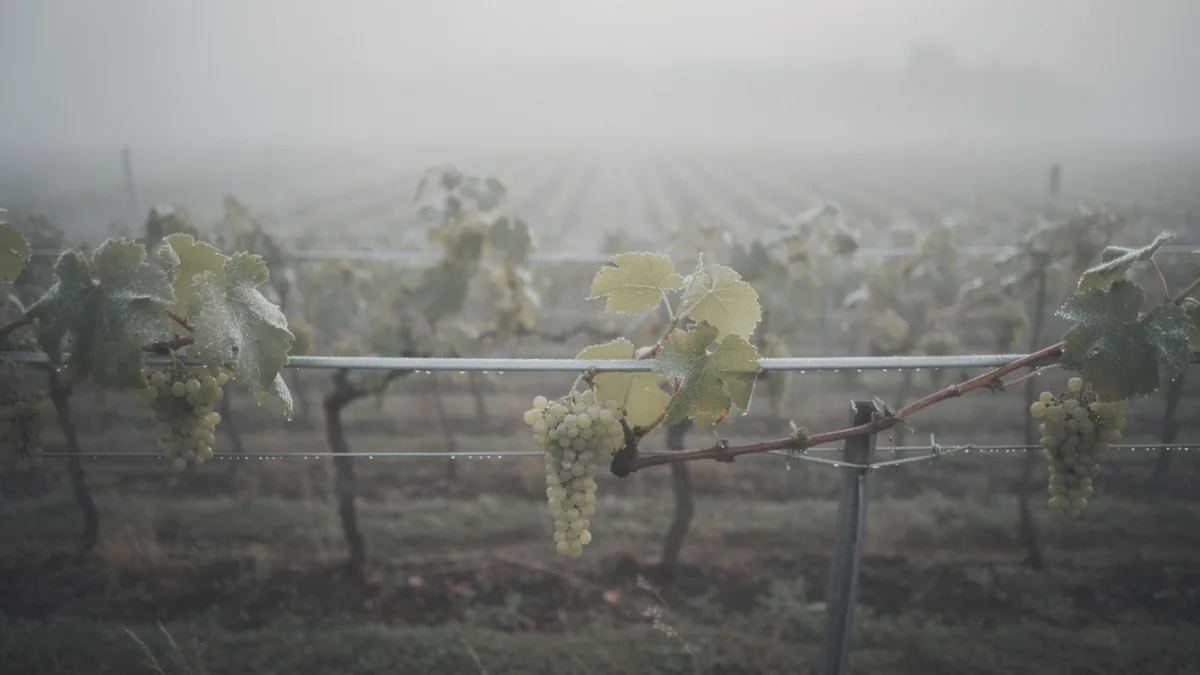
Red and white parents, white grapes
Trollinger is a red grape variety. Even so, Kerner isn't a rosé. The crossing was a breeding process. Nobody later mixes Trollinger and Riesling together in the cellar.
The variety was created in 1929. Descriptions mention apple, pear, and sometimes a light muscat note. The freshness can be quite pronounced. Such notes point in a direction. They don't apply to every single bottle.
Crossing here means: the blossoms of one variety are pollinated with pollen from the other. New plants grow from the resulting seeds, and one of them proves successful. In the end, you get a distinct variety with its own grapes. Kerner produces pale-skinned berries, regardless of what color the parent berries were. So what ends up in the glass is simply a white wine.
Apple, pear, and muscat notes are a guide for the nose, not a guarantee. How strongly individual notes come through depends on the site, the vintage, harvest timing, and the work in the cellar. If you can't find a muscat note in a bottle, nothing is wrong with you or the wine. Better to describe what you actually smell.
Using your own words while tasting
Kerner is a chance to try something beyond the ever-present names for once. When shopping, say whether you'd like a dry or a sweeter version.
If you already know Riesling, a comparison is worthwhile. Which wine feels fresher? Which is more fragrant? And which pairs better with the meal you're planning? The comparison is worth doing even if you can't decide whether the aroma leans toward apple or pear. Note down the specific bottle. Otherwise your memory will only be attached to a variety name.
The sweetness level changes the first impression more than most people expect. The same pale-fruit aroma feels lean and crisp in a dry bottle. In a sweeter one, it feels round and soft. So a glance at the label is worthwhile before you're puzzled by the taste. Anyone who tries Kerner once dry and once sweeter side by side quickly notices which direction suits them.
A few lines are enough for notes. Producer, vintage, sweetness level, where you bought it, and the occasion. Add a sentence in your own words. Smells like freshly cut apple, tastes crisp and cool: a sentence like that will help you more at your next purchase than any borrowed phrase.
How to find a Kerner you'll enjoy
In four steps, you'll get from the first thought to the bottle in your cart. If you're already sure about a point, just skip it.
The most important step is the first one. Say right away in conversation which sweetness level you're after. After that, every further question gets easier, because half the shelf is already ruled out.
| Step | Specific question or action |
|---|---|
| In conversation | What sweetness and freshness does this bottle show? |
| On the label | The crossing explains the variety, but not the whole flavor. |
| While tasting | Do I like the balance of fruit and acidity? |
| Your comparison | Order a specific sweetness direction instead of just Kerner. |
Kerner isn't a Riesling
The most stubborn misunderstanding concerns color. Trollinger is red, so some people assume a rosé or at least a powerful wine. But the parents say nothing about how the finished wine looks or tastes. Nothing gets mixed together in the cellar either. The crossing was a one-time event in breeding.
Second mistake: assuming sweetness level and quality level are the same thing. They're two separate pieces of information. A sweeter bottle isn't automatically made more simply. A dry one isn't automatically more sophisticated. And third, many people expect the variety name to predict the flavor. It narrows down the direction, nothing more.
How to set up the comparison at home
Take two bottles that differ in exactly one respect. So either two Kerners with different sweetness levels, or one Kerner and one Riesling. Same glasses, same evening, both poured at the same time. Let the glasses sit for a few minutes before you smell them. Then taste them alternately.
Keep the questions simple. Which feels fresher? Which is more fragrant? Which pairs better with the meal you're planning? Answers like the one on the left tastes softer are perfectly sufficient. If you can say by the end which of the two bottles you'd buy again, the comparison has done its job.