The short answer
Lemberger and Blaufränkisch are two names for the same red grape variety. The wines taste of dark berries and often come across as spicy. Some are light and easygoing, others have plenty of tannin and structure. By the way, Blaufränkisch is neither a place nor a German wine region.
What you can expect
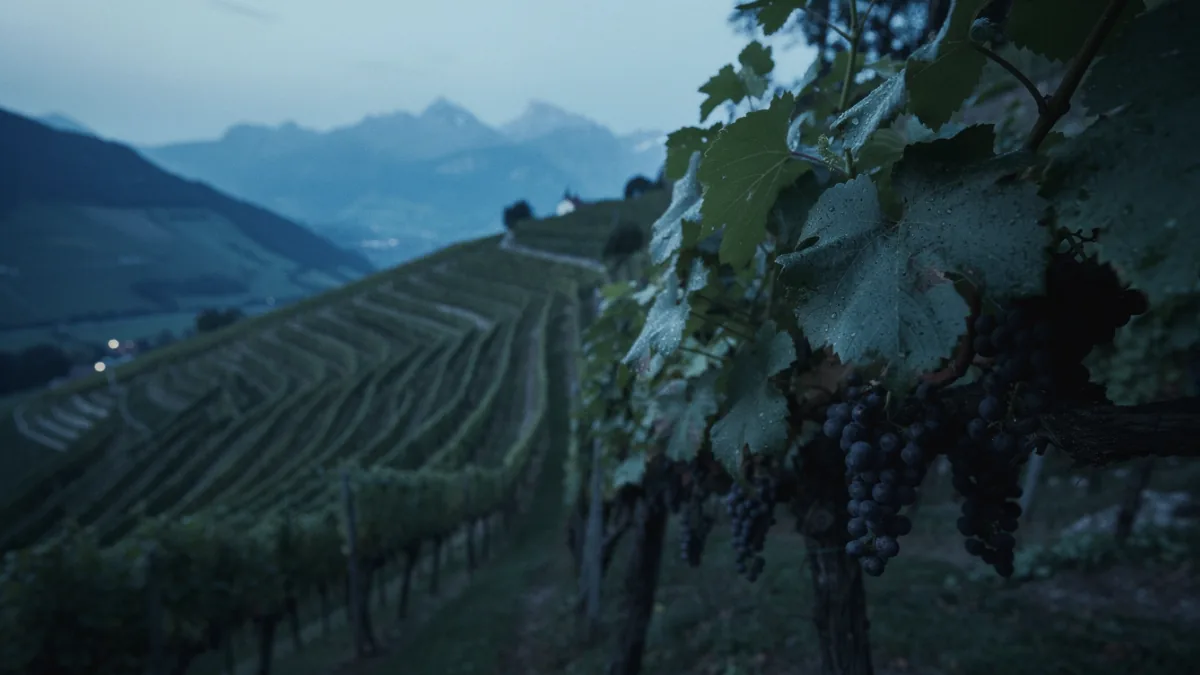
Dark berries and a spicy impression appear repeatedly in the descriptions. There are simple, approachable wines from this variety. And there are powerful bottlings that have been aged in oak barrels. In Germany, the variety is mainly associated with Württemberg.
If one menu lists Lemberger and another Blaufränkisch, you're still looking at the same grape variety. The two wines can nevertheless differ significantly. This comes down to origin and cellar work.
There are worlds of difference between the two styles. An uncomplicated Lemberger tastes ready right after opening and pushes the fruit forward. A bottle aged in oak comes across as denser. It shows little on the first sip and needs air in the glass first. Same grape variety, two quite different evenings.
Which name appears on the label depends mainly on the wine's origin. Anyone unaware of this will search for Blaufränkisch in a list of growing regions and find nothing. For you, this means at the store: both words refer to the same variety. Look for the difference in origin and style of aging.
Asking about fruit and grip
A good starting point is a single question: fruit-forward or powerful with lots of tannin? If you're looking for spice and structure to go with food, the second direction serves you well. On a light evening, the first is usually more enjoyable.
A comparison idea: if you like Pinot Noir, try a Lemberger with the same dish sometime. It's not about crowning a winner. You just need to be able to name the differences. "More grip, darker fruit, works with the food": a note like that is already useful. You don't need to be able to identify the region blind for this.
Grip isn't anything mysterious. After swallowing, your gums and the edges of your tongue feel slightly dry and rough. This sensation lingers for a moment. A fruit-forward wine leaves more of a taste than a sensation. Neither direction is better. They just determine whether the wine stands well on its own or alongside food.
For the comparison to be meaningful, the conditions need to be the same. Two similarly sized glasses, the same temperature, the same dish on the plate. You don't need more than two or three notes per wine. After a few such notes, you'll know which direction really suits you. At the store, that's worth more than any outside recommendation.
How to find a Lemberger you'll enjoy
These four steps guide you from a rough direction to a specific bottle. If one answer remains unclear, that's not a big deal. The next point will decide instead.
If you're unsure, go with the fruit-forward direction the first time. A bottle like that forgives more: the wrong temperature, too little time, a dish that doesn't quite match. The powerful version only shows its strengths once the conditions are right. Otherwise it can quickly seem harsh. In that case, the setting is to blame, not the wine.
| Step | Specific question or action |
|---|---|
| In conversation | Fruit-forward or with pronounced structure? |
| On the label | Blaufränkisch is another variety name, not a German region. |
| When tasting | How much spice and tannin am I looking for? |
| Your comparison | Taste alongside the dish you plan to serve. |
Two names, no difference in the glass
The most common misunderstanding concerns the name. Blaufränkisch sounds like a place of origin, but it's actually the name of the grape variety. Just as often, you'll hear that Lemberger is the lighter wine and Blaufränkisch the more powerful one. That's not true. Whether a bottle turns out easy-drinking or full-bodied is decided by the work in the cellar.
Second misconception: spicy means neither hot nor sweet. What's meant is an impression alongside the fruit that makes the wine drier and more serious. And dark fruit says nothing about the color in the glass. If you keep these two apart while tasting, you'll find the right words faster.
What happens in the glass
Give a bottle with oak aging some time. The first sip right after opening tells you the least. After twenty minutes in the glass, the same wine often smells and tastes more open. The tannin feels less edgy then. Feel free to try twice from the same glass, once early and once later. The difference surprises most people.
Temperature also shifts the impression. Served too warm, the wine feels broad and the spice recedes. Too cold, it emphasizes grip and locks in the fruit. If you don't like a bottle, check two things before passing judgment. How long has it been open? And how cool was it kept?