The short answer
Regent is a bred red grape variety. It holds up better against certain fungal diseases than other vines. Its wines often turn out powerful, with plenty of tannin, that rough feeling in the mouth.
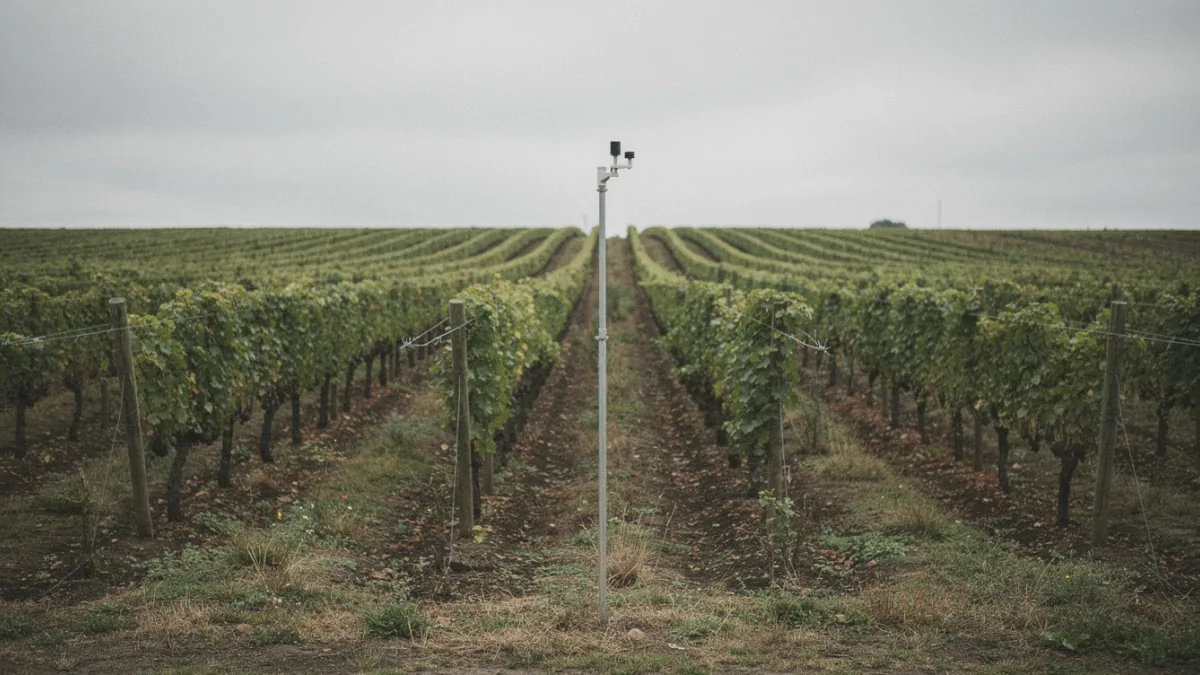
Growing method and glass are two separate questions
Resistant describes the plant first, not the wine. Such a vine may need less crop protection. That's no guarantee of farming entirely without treatments. The variety name alone tells you nothing about how a producer works.
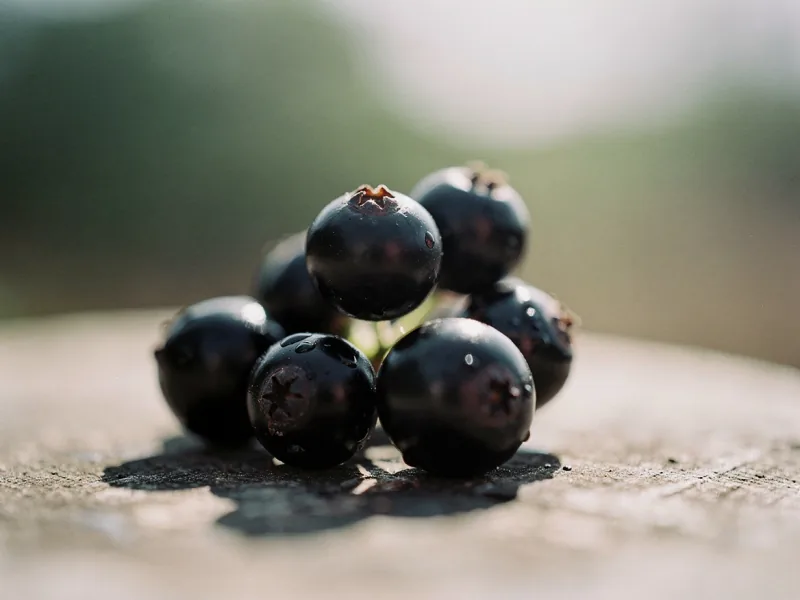
In the glass, cherry and blackcurrant often show up. Many Regent wines also age in oak barrels. If you're after a light, restrained red, you shouldn't rely on the grape variety alone.
The word certain in the short answer above is the key part. The resistance applies to specific fungal diseases. It doesn't protect against everything a wet summer throws at a vine. How much work actually goes into the vineyard depends on the vintage, the site, and the producer. If this matters to you, ask the producer directly.
Tannic in the mouth means: the wine leaves a rough, gripping feeling on your gums and cheeks. That's not sweetness and not acidity. It's a tactile sensation. Poured too cold, this grip feels edgier. With a bit of air in the glass, it often softens. Oak aging shifts the impression further still. That's why two Regents from the same place can taste very different.
Trying a young variety without prejudice
The age of a grape variety isn't a flavor note. A young breed doesn't need to apologize for other names being around longer. What matters is simply whether you enjoy the specific wine in your glass.
With Regent, ask about three things: body, tannin, and aging. A structured example pairs well with a hearty braised dish. Afterward, note separately whether you liked the fruit and whether the mouthfeel was pleasant. Your next question will be more precise, even without technical winemaking knowledge.
The trick of keeping separate notes sounds trivial. But it saves you from the most common ordering mistake. Many people say a wine felt too heavy for them. What they usually mean is the tannin, not the body. Others like the fruit but struggle with the dry finish. Whoever keeps these two apart can turn exactly the right dial next time.
In the shop, a few phrases go a long way: less tannin, more fruit, no oak aging, leaner or fuller-bodied. That gets you further than simply asking for a good Regent. If you like a wine, don't just note the variety. Write down the producer and the aging style too.
How to find a Regent you'll enjoy
The following four steps cleanly separate the growing question from the taste question.
You don't have to tick off all four steps on a single shopping trip. Just asking about the aging style already narrows the shelf noticeably. It separates the powerful oaked versions from the more direct bottles. The rest sorts itself out as you drink. The important thing is remembering the answer until your next purchase.
| Step | Specific question or action |
|---|---|
| In conversation | How powerful and tannic is this bottling? |
| On the label | Disease resistance in the vineyard is not a flavor rating. |
| While tasting | Do I like the structure and body? |
| Your comparison | Describe the wine first, then read the growing information. |
A new variety isn't a lesser wine
The first misunderstanding concerns crop protection. A resistant vine isn't an untreated vine. The variety name describes the plant's genetic makeup. It says nothing about the work done in a specific vineyard in a specific year.
The second concerns age. A young breed is neither simpler nor less serious than a long-established name. Fame tells you about how widespread a variety is. It tells you nothing about the quality in the glass.
The third concerns the word dry. Tannin creates a dry feeling in the mouth. It has nothing to do with the sugar in the wine. A tannic wine can feel rough and still taste fruity.
How to compare at home
You'll learn the most from two bottles side by side. Take one aged in oak and one without that influence. Same glasses, same temperature, small sips alternating between the two. After the second round, you'll notice which difference comes from the oak and which from the fruit.
Then serve a hearty braised dish alongside and try both again. With food, the tannin often shifts noticeably. The bottle that seemed a bit awkward on its own can suddenly turn out to be the better pairing. Write down both impressions, the one with food and the one without.