The short answer
Silvaner is a white grape variety with a rather quiet aroma. There are light wines made from it and powerful ones. The variety is known, among other places, from Franconia and Rheinhessen.
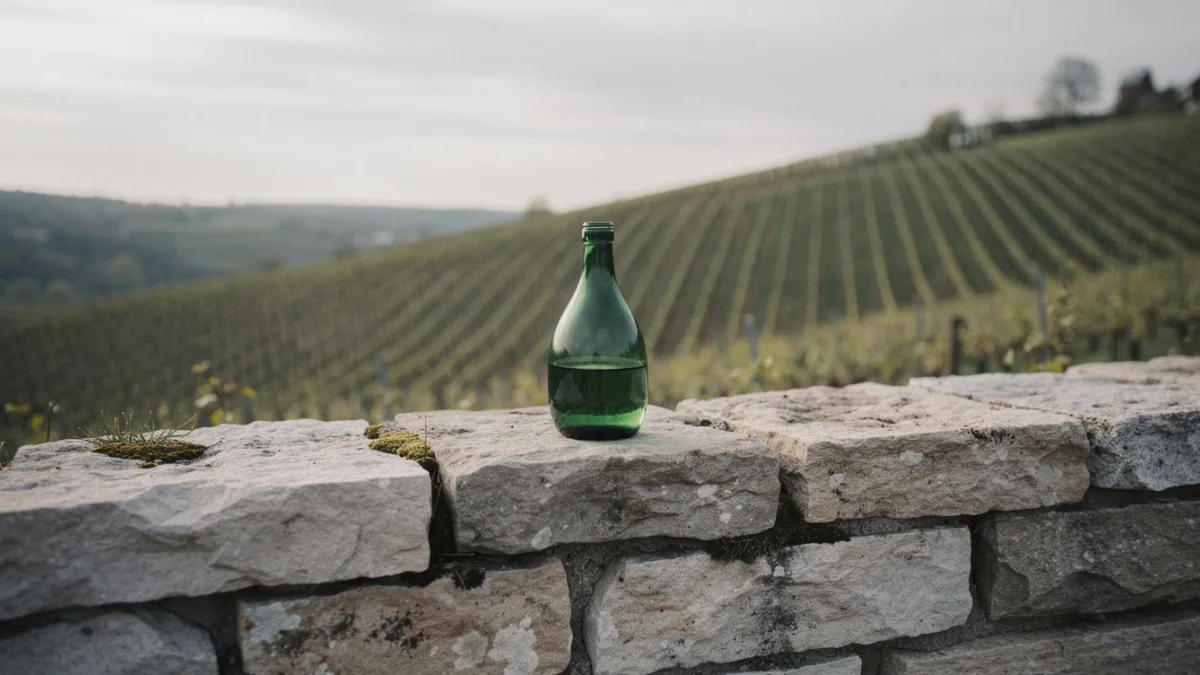
Not every wine has to be loud
A Silvaner usually shows subtle fruit and herbal impressions. If you expect intense tropical aromas, you'll find a different direction here. How full-bodied and how fresh a wine turns out depends on the individual bottle.
The Bocksbeutel is the well-known flat bottle shape. It's not a grape variety. Consider shape, origin, and content separately. An unusual vessel is, at first, still just packaging.
Restrained doesn't mean thin. A wine can give off little aroma and still show substance in the mouth. If you find almost nothing on the first sniff, let the glass sit for a few minutes. Then smell again. Herbal impressions often need some air. They announce themselves more quietly than the bold fruit notes many people are used to from other white varieties.
With the Bocksbeutel, a clear-eyed view helps. The bottle shape is a container. What's inside is stated on the label. Read the grape variety, origin, and style separately. Then you'll know more about the wine than someone who lets the unusual silhouette guide them. That applies to any eye-catching bottle on the shelf.
Choosing Silvaner for food
If you're looking for a wine for a subtly seasoned dish, ask for a dry, restrained Silvaner. With asparagus, it's one possible direction. More decisive than the asparagus itself is often the sauce.
At the start, you don't need to hunt for every aroma. A useful note might simply read: Pleasant with food, a bit restrained on its own. That already names a use case. That a wine doesn't demand attention with every sip is often explicitly welcome at the table.
It's worth following the sauce hint through to the end. A lot of butter versus just a bit of oil changes how much body the wine should bring. With a rich preparation, reach for the more powerful style. With a simple preparation, a light wine is enough. The same reasoning applies to fish, poultry, or pale vegetables.
Notes don't need to sound like technical jargon. Simply record what you'd open the bottle for again and what you wouldn't. After a few entries, you'll spot a pattern: which dishes worked well and when the wine felt too quiet on its own. That gets you further than an aroma list you'd phrase differently next time anyway.
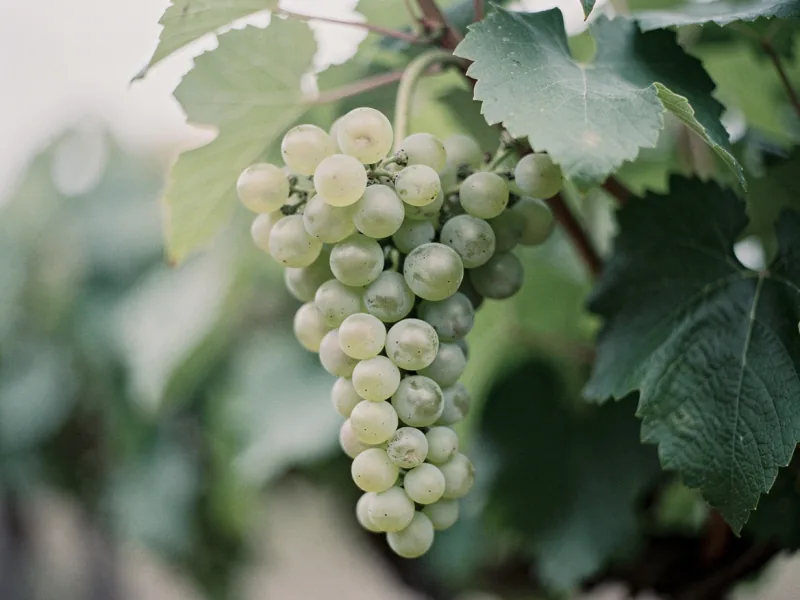
How to find a Silvaner you'll enjoy
Four steps take you from the occasion to the question that someone in the shop can actually answer for you. Each line contains an action, not theory.
| Step | Specific question or action |
|---|---|
| In conversation | Light or full-bodied, dry or off-dry? |
| On the label | A Bocksbeutel bottle doesn't reveal all the flavor characteristics. |
| While tasting | Does the subtle aroma suit the dish? |
| Your comparison | Taste it with the same sauce that will later be on the plate. |
Quiet doesn't mean boring
A subtle aroma is quickly mistaken for low quality. The two have nothing to do with each other. A wine that doesn't push itself forward in the glass can be exactly right at the table. It leaves room for the food. Conversely, a very aromatic wine isn't automatically the better match for a delicately spiced dish.
The second misconception concerns the range. Many Silvaners turn out light, so people tend to pigeonhole the whole variety into this style. But it also comes in fuller-bodied versions. If you once had a glass that felt too thin for you, that says little about the next bottle. When buying, ask specifically about the style you're looking for.
Trying Silvaner with food
Take two bottles with different characters, one light and one fuller-bodied, and open them the same evening. Try both first without food, then with the dish. The difference between the two situations is often greater than the difference between the wines themselves. That's really the lesson here.
Don't pour too much and take your time. A wine that starts out reserved often continues to change in the glass. Jot down what you notice after the second sip, and again after the last one. That gives you two impressions instead of one. As a method, that's more than enough to start with.