The short answer
Syrah and Shiraz are two names for the same red grape variety. The wines often taste of dark fruit and come across as spicy. Some smell of pepper. But that's not a given, and nothing is added to create it.
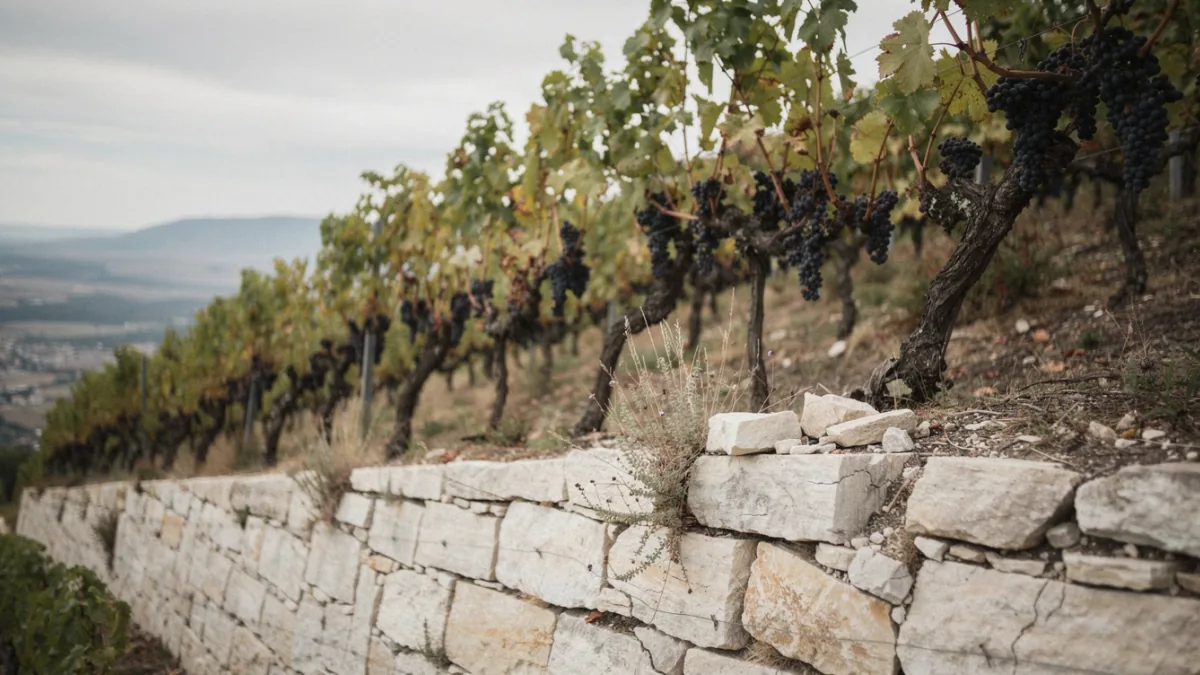
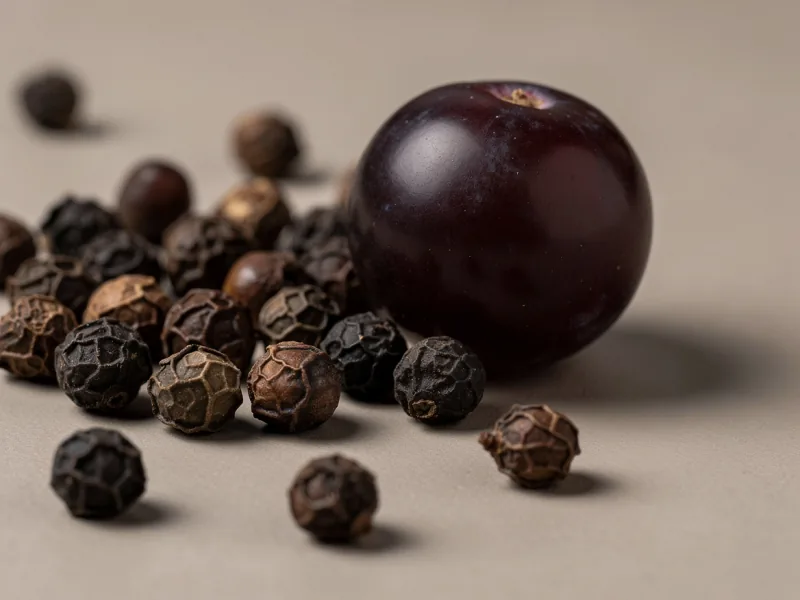
Why some wines remind you of pepper
The peppery impression can come from an aroma compound called rotundone. How strongly it shows up varies from wine to wine. Cool and warm climates produce different styles, and so does the winemaking in the cellar.
Syrah on the label doesn't automatically mean elegant. Shiraz doesn't automatically mean heavy. The two words come from different traditions. They don't describe a fixed level of intensity.
Rotundone forms naturally within the wine itself. Nothing is added for seasoning. What's more, people perceive this aroma to different degrees. In the very same glass, one person clearly smells pepper while another mostly picks up dark fruit. Both are correct. If someone describes a note you can't find, that's on neither your nose nor the wine.
In practice, this means: the grape name narrows your search, nothing more. Whether a wine comes across as light and spicy or rich and dark is decided in the vineyard and the cellar. Two bottles with the same word on the label can end up worlds apart in the glass.
When choosing, the whole wine matters
If you like spicy red wines, this grape is a good place to start. Also ask about body and tannin. A very powerful wine can be too much for your evening, even if you love its aroma.
A spicy, not-too-heavy example pairs well with a dish that has charred or roasted notes. That's a suggestion, not a rule. During a small tasting, focus first on the aroma and then on the mouthfeel. You don't need to identify pepper to enjoy it. 'I like it, but it's too powerful' is already a useful answer.
Body and tannin are the two words that will get you furthest in a shop. Body refers to how broad and heavy a wine feels in the mouth. Tannin refers to the dry, slightly grippy sensation that lingers on your tongue and gums after swallowing. Feel free to ask directly: more lean or more full-bodied, softer or drier in the finish?
A set order helps when tasting. Smell first, without judging. Then take a small sip and focus only on the feel in your mouth. Which fruit you could name doesn't matter in this moment. Naming aromas comes with practice. The mouthfeel you notice right away, and it usually decides whether you'll pour a second glass.
How to find a Syrah you'll enjoy
The following steps take you from a rough search direction to feedback that will help with your next purchase.
Most people skip the last step. But without your own notes, you're back to square one at the next shopping trip.
| Step | Specific question or action |
|---|---|
| In conversation | How ripe, spicy, and powerful is the bottle? |
| On the label | Syrah and Shiraz aren't two different grape varieties. |
| While tasting | Do I like the combination of fruit, spice, and tannin? |
| Your comparison | Ask for the specific bottle to be described, rather than choosing based on the name variant alone. |
Syrah and Shiraz are the same grape
The most stubborn myth is that the peppery aroma somehow got added to the wine. That's not true. Just as common is the assumption that Shiraz always means bold, powerful wines and Syrah means restrained ones. Both words refer to the same grape variety. They simply come from different traditions. They say nothing definitive about weight or style.
The second misconception concerns you. If you can't find the peppery note, you haven't done anything wrong and you don't need a better nose. It's possible in this grape, but it's not guaranteed. And sensitivity to it varies from person to person. Either way, it has no bearing on whether you enjoy the wine.
How to taste at home
Set two bottles of the same grape side by side, ideally from different origins. Pour both at the same time and smell them alternately. Tasting back and forth makes differences in spice far easier to notice than tasting them on two separate evenings.
Jot down two things for each glass. How heavy does the wine feel? And how dry does it taste on the finish? Three words are plenty. After a few rounds like this, you'll know your own line between pleasantly powerful and too much. And that's exactly what you can mention at your next purchase.