The short answer
Sauvignon Blanc is a white grape variety with a distinctive aroma. The impressions can recall gooseberry, grass, citrus fruit, or tropical fruit. A single bottle doesn't have to show all of that, though.
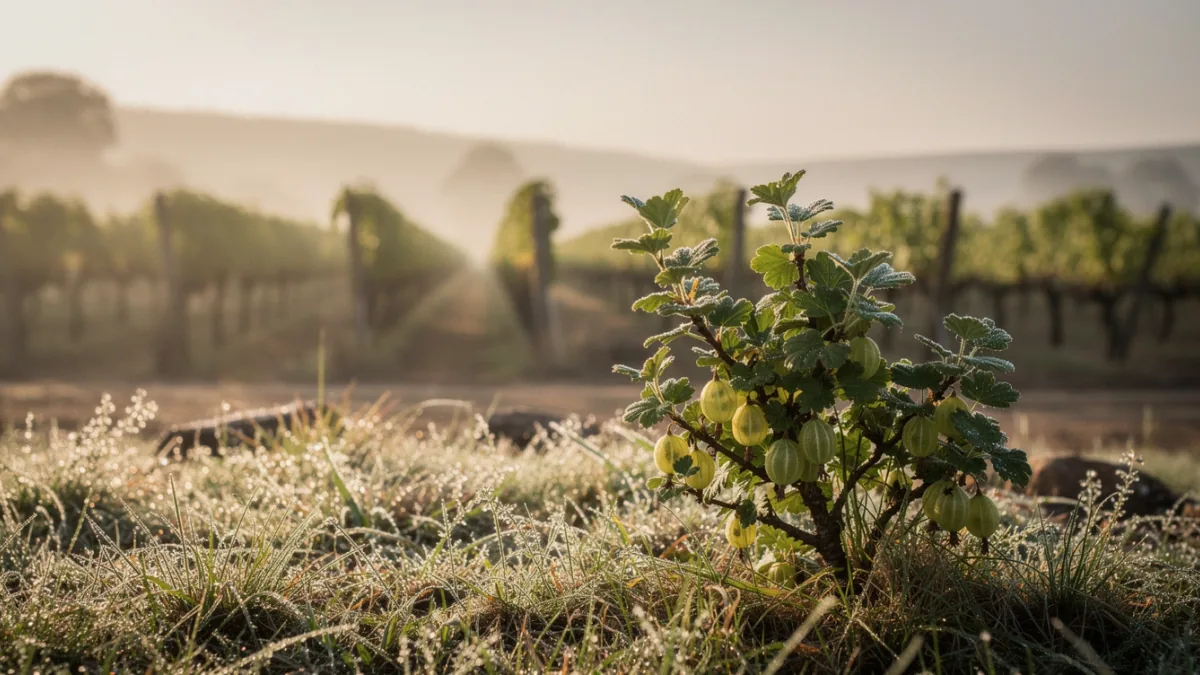
Two directions as a guide
Some wines come across as green and herbaceous, others as distinctly fruity. There are also versions aged in oak. A word like Fumé on the label can hint at this. You'll only know for sure once you check the description of the actual bottle.
If the pronounced aroma appeals to you, you've got a good starting point. If it seems too overpowering, you don't have to admire it anyway. A loud wine isn't automatically a better wine. What you enjoy is up to you.
Green and herbaceous isn't a flaw, it's a direction. It refers to impressions of gooseberry, grass, or fresh herbs. The fruitier direction leans more toward lemon and tropical fruit. Many wines fall somewhere in between. The same bottle might seem greener to you on the first evening than on the second. Treat the two poles as a rough map, not as fixed categories.
Once oak comes into play, the impression shifts again. The aroma then often seems less sharp, but broader and calmer. Fumé sometimes signals this style, and sometimes it's just a name. That's why it's worth checking the product description. If it mentions the aging, you'll know more than the word on the label alone tells you.
One more note on the aroma itself. Straight from the fridge, you'll smell less. Wait a few minutes and smell again. Then you'll notice whether the wine feels too loud to you, or just right.
What helps when ordering
Describe your preference clearly. More herbaceous and fresh. Or more fruity, not so green. Anyone can understand a request like that, even without detailed knowledge of the wine regions.
As a food idea: try a fresh-tasting Sauvignon Blanc with a dish that includes herbs. Whether that works depends on the whole preparation, especially the sauce and acidity. A bold dressing often matters more than the vegetable underneath it. So note down both: the wine and what was on the plate.
Anyone advising you in a shop or restaurant hears descriptions like this all day. They can do more with that than with technical terms you're not confident using yourself. A counter-example also helps. Feel free to mention what you drank last and what you found too much or too little of. That narrows things down faster than any wish list.
When it comes to food, it's worth paying attention to acidity. Lemon in a dressing, vinegar, or a tangy dip changes the wine more than the main ingredient does. So don't just write down how the wine tasted. Also note whether the dish was spicy, tangy, creamy, or rather mild. After a few notes, you'll see your own pattern.
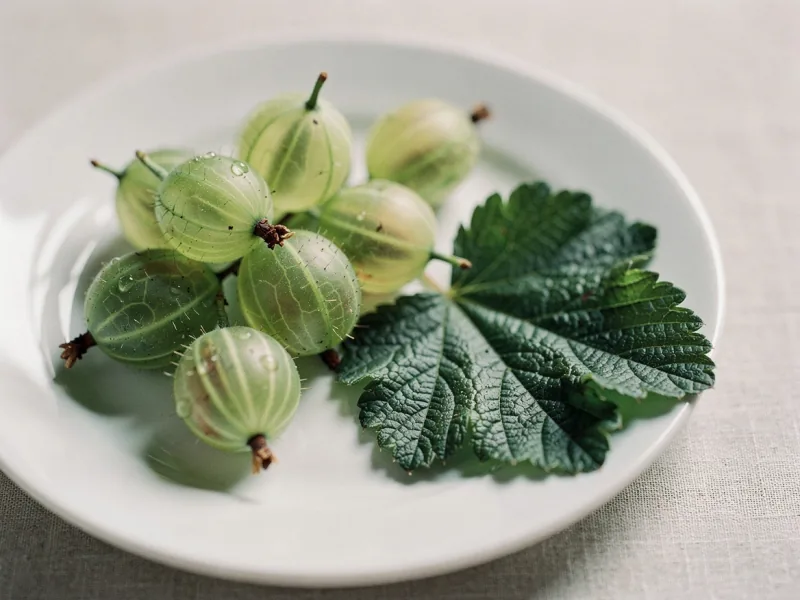
How to find a Sauvignon Blanc you'll enjoy
Four steps take you from a rough direction to a specific bottle. They keep you from fixating too early on a single label.
The last step saves the most work for your next purchase. Briefly note what was in the bottle. Write down whether you found the aroma pleasant or too intense. Two sentences are enough. After three or four bottles, you'll know your side — the green one or the fruity one — and can name it directly in the shop.
| Step | Specific question or action |
|---|---|
| In conversation | More green and citrusy, or ripe and tropical? |
| On the label | Aroma descriptors describe possible impressions, not added fruit. |
| When tasting | Do I find the aroma intensity pleasant? |
| Your comparison | Ask about the specific aroma direction of the bottle. |
Grassy doesn't mean unripe
A common misconception: the more intense the aroma, the better the wine. Intensity only tells you how loudly a wine speaks up. A bottle with a quieter nose might actually taste better to you, because it won't constantly talk over your food. Conversely, you don't need to justify liking a very aromatic Sauvignon Blanc.
The grassy notes are also often misunderstood. They're part of the variety's character. They're not a sign of a fault. Whether you like them is a matter of taste. If you don't, next time seek out the fruitier direction and say so explicitly.
Two Sauvignon Blancs from two countries
You'll learn the most by having two wines side by side in the glass. Take one bottle from the herbal direction and one from the fruity direction. Both should be equally chilled. Then taste them alternately. In direct comparison, the difference jumps out at you. On two separate evenings, it would probably slip past you.
Afterwards, drink both glasses again with food, ideally something with herbs and a robust dressing. Often the picture flips. The wine that would have won on its own suddenly looks pale next to the plate. That exact observation belongs in your notes.