The short answer
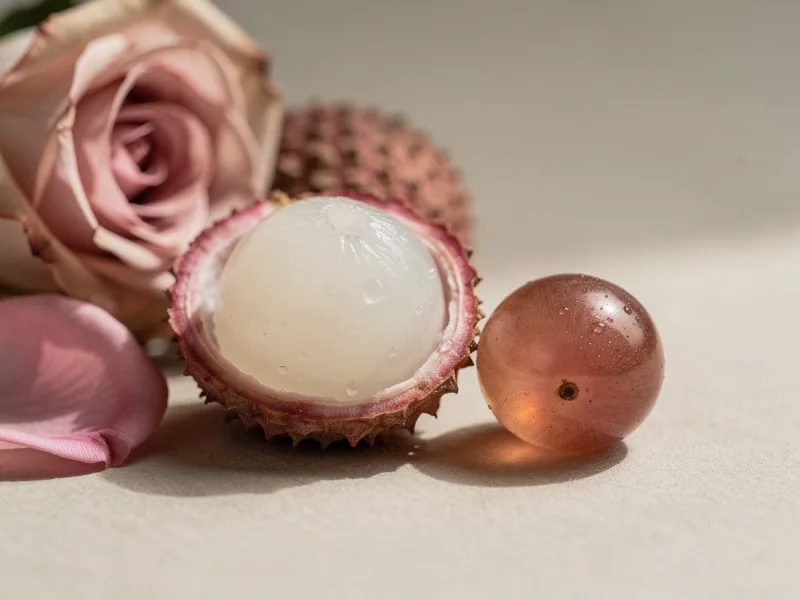
Gewürztraminer is a white grape variety with a very intense aroma. Many detect notes of rose, lychee, and a spicy character. However, this strong aroma says nothing about the sugar content in the wine. There are dry Gewürztraminers and there are sweet ones.
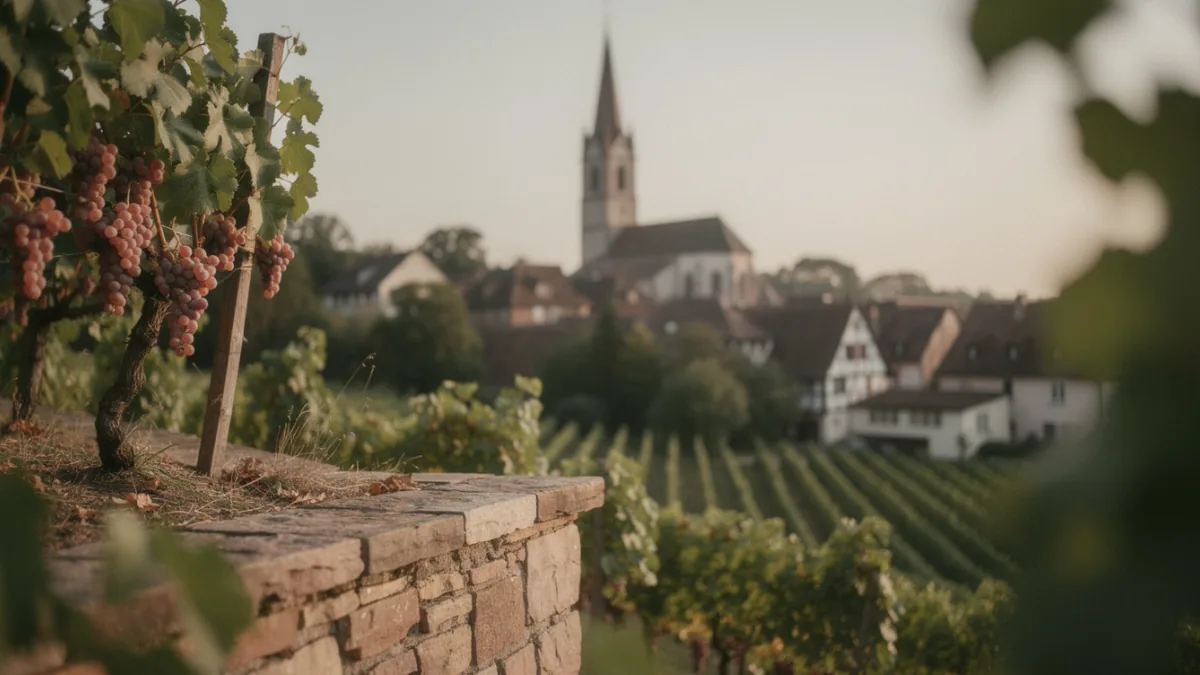
A wine with a loud voice of its own
Gewürztraminer stands out right in the glass, well before the first sip. The aroma is loud. The variety comes in many sweetness levels and styles. Anyone who usually prefers crisp, restrained white wines will experience a strong contrast here.
The aroma description isn't a list of ingredients. No one added roses or lychees to the wine. Such words only point to similarities people notice while smelling. The wine simply smells a bit like that. There's nothing more to it.
A grape variety is called aromatic when its scent pushes forward strongly. Many recognize Gewürztraminer just from the rim of the glass. This says nothing about the taste in the mouth, though. The nose perceives aromas. Whether a wine tastes sweet or dry is decided by the tongue instead.
The idea that a strong aroma and sweetness go together is an expectation in our minds. We know these scents from sweet contexts and therefore assume the wine contains sugar too. Feel free to hold onto that assumption while sniffing. Then test it with the first sip. Often the impression shifts noticeably.
Clarifying sweetness before buying
Ask about aroma and sweetness separately. A bottle can smell very intense and still taste completely dry. The variety often pairs well with strongly spiced food. However, the description "Asian cuisine" hardly helps here. Name the dish and say how spicy it is.
Unsure? Then order the wine by the glass at a restaurant first. Write down whether you enjoy the aroma over several sips or whether it quickly becomes too much. Either answer is fine. This has nothing to do with good or bad wine knowledge.
At the store, it's best to ask two separate questions, since they easily blur into one. First question: Is the wine made dry? Second question: How intense is the aroma? If you only ask for an aromatic white wine, you'll get an answer that mixes both. You'll also find the sweetness on the label. The aroma intensity isn't listed there.
The same precision pays off with food. Say whether the dish is really spicy or just strongly seasoned. Also mention if there's sweetness in the sauce. A mild curry and a dish that really burns don't need the same wine. The more precisely you describe the food, the more useful the recommendation will be.
How to find a Gewürztraminer you'll enjoy
These four steps show you how to recognize aroma intensity and sweetness independently of each other.
You don't need to go through all four steps every time. They help with a new bottle. Later, a glance at the sweetness level and a quick question are usually enough. Note down your answers for two or three bottles. After that, you'll know fairly precisely which combination of aroma intensity and sweetness suits you.
| Step | Specific question or action |
|---|---|
| In conversation | How sweet is this particular bottling? |
| On the label | Rose or lychee aromas can't be converted into sugar levels. |
| When tasting | Do I enjoy the pronounced aroma over an entire glass? |
| Your comparison | Try a small amount first instead of buying based solely on the initial aroma. |
Intense aroma doesn't mean sweeter wine
The word "Gewürz" (spice) in the name describes an impression when smelling. It stands neither for an ingredient nor for heat in the glass. A strong aroma also doesn't mean the wine is especially good or especially sweet. Aroma intensity is a matter of style. You're allowed to like or dislike it, no justification needed.
The second misconception concerns the tasting-note vocabulary itself. If someone mentions lychee and you think more of rose, neither of you is wrong. These terms are tools for describing similarities. They vary depending on personal experience. More important than finding the right word is a different question: Do you enjoy the wine over an entire glass?
Smelling and tasting Gewürztraminer
Place two bottles with different sweetness levels side by side. Pour both at the same time. Smell both glasses first and note which wine you think is sweeter. Then taste. The gap between your assumption and the impression in your mouth is the interesting part with this variety.
Then add food to the mix. Take a sip from each glass with the dish. Pay attention to how spiciness and sweetness interact. Keep drinking afterward, not just that one sip. Some wines nail it on the first sip but seem too perfumed by the third. This observation tells you more than any text on the back label.